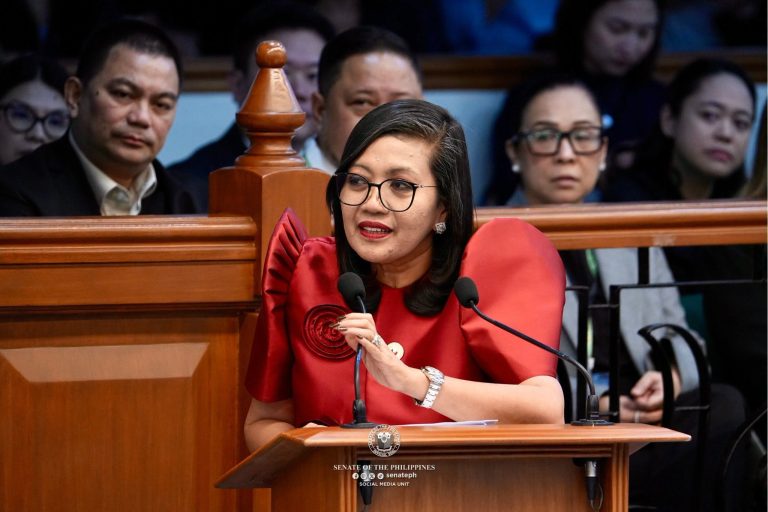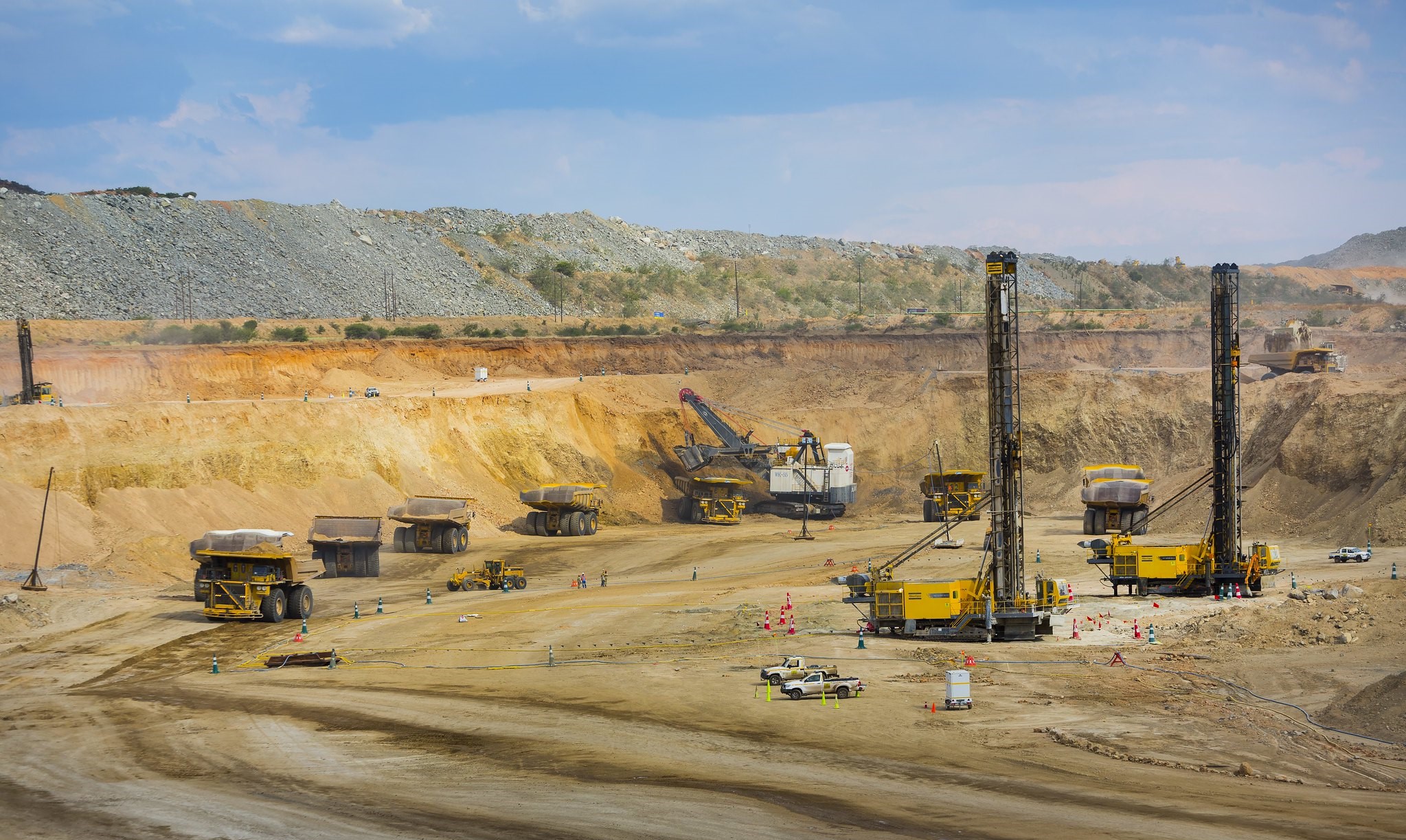
HOUSE Ways and Means Committee Chair Joey Salceda expressed optimism that the long-awaited fiscal regime for mining will soon be enacted, despite lingering differences between the House and Senate versions of the measure.
Salceda said he is generally satisfied with both versions, with the exception of the proposed mineral ore export ban, which he views as a key point of contention. He favors an export tax instead, arguing that it would be more enforceable and would generate much-needed government revenue for assessing mineral value properly.
“I prefer an export tax to an export ban. The five-year window in the Senate version is not enough time to develop a real mineral refining capacity. Given how porous our borders are, enforcing a ban would be very difficult,” Salceda explained.
He added that while he is willing to consider cost-based and performance-based incentives for refining, he will ultimately defer to the House leadership on the chamber’s final position.
Salceda expects minimal disagreements on other provisions of the bill, noting that most of them can be resolved with minor rate adjustments.
“The transparency provisions in both versions align with international best practices. In Mongolia, similar measures led to the recovery of $1.2 billion in back taxes, which is why I am 90% satisfied with these provisions in either version,” he said.
With only a few key issues left to address, Salceda believes the differences between the House and Senate versions can be ironed out quickly.
“This is the closest a mining fiscal regime has ever come to being enacted. We can easily resolve the disagreeing provisions through one meeting. I am optimistic we will get this done,” he concluded.
About the Author