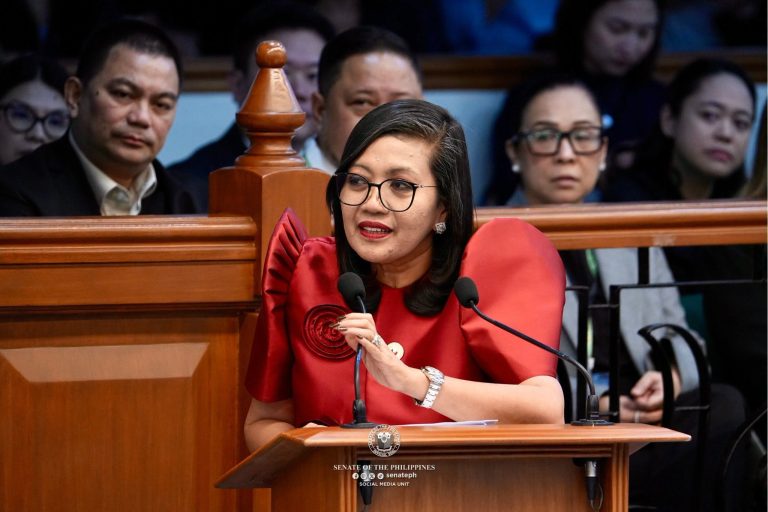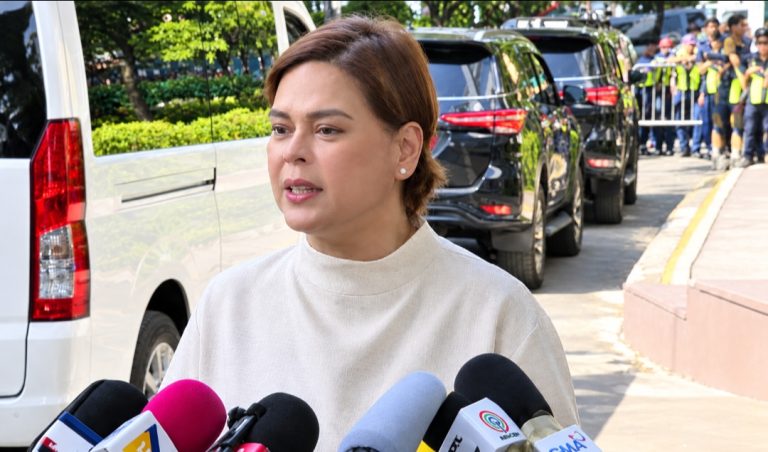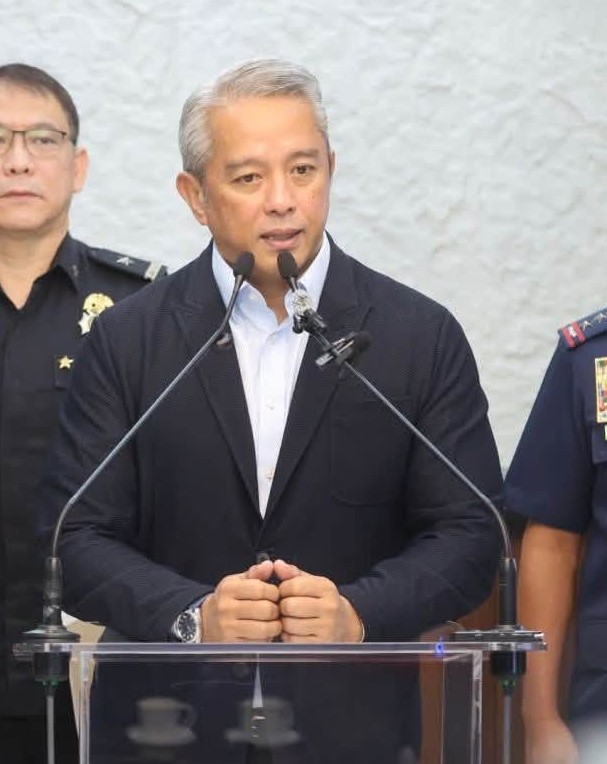








SENATOR Christopher “Bong” Go called for coordinated heat-health action plans and stronger protection for workers and farmers as the country prepares for a possible Super El Niño that may bring drier-than-usual conditions in parts of the country, heavier rainfall in other areas, and added pressure on water supply, agriculture, and public health. Go, Chairperson of the Senate Committee on Health, urged the Department of Health (DOH) to put in place clear national protocols for heatstroke prevention, early response to heat-related illnesses, and the management of water-borne diseases during the transition from the dry season to the wet season. He also called on the Department of Labor and Employment (DOLE), employers, and private firms to strengthen workplace safety measures, especially for laborers exposed to extreme heat, including those working in construction sites and other outdoor settings. “Kapag matindi ang init, kalusugan at kabuhayan ng tao ang unang tinatamaan. Dapat malinaw ang protocol, mabilis ang aksyon, at handa ang ating mga ospital at health workers,” Go said. The senator also emphasized the need to protect workers whose daily livelihood depends on being physically present in high-risk work environments. “Sa mga construction worker, delivery rider, magsasaka, at iba pang nagtatrabaho sa ilalim ng araw, dapat siguraduhin ng employers na may sapat na pahinga, tubig, at safety measures. Hindi pwedeng pabayaan ang kalusugan ng manggagawa,” the senator stressed. The call came after the Philippine Atmospheric, Geophysical and Astronomical Services Administration (PAGASA) said the country is preparing for a possible Super El Niño. According to the report, PAGASA weather specialist Charmagne Varilla said the strongest El Niño conditions could bring below-normal rainfall to the eastern section of the country, while the western section may experience intensified rainfall events when El Niño coincides with the Habagat season. PAGASA also said moderate to strong El Niño conditions are likely during the September-October-November season, while the possibility of strong to very strong El Niño conditions by October-November-December or November-December-January has not been ruled out. The same weather outlook noted that storms may become fewer than usual, but those that make landfall may reach typhoon to super typhoon category. By August, below-normal rainfall conditions are seen in parts of the Bangsamoro Autonomous Region in Muslim Mindanao (BARMM) and the Caraga Region, while heavy rains may affect northern and central Luzon with the entry of the Southwest Monsoon. Go said the situation requires national and local preparedness, especially in communities vulnerable to heatstroke, dehydration, unsafe water sources, and sudden weather shifts. “Dapat maagapan ito sa barangay pa lang. Kailangan may impormasyon ang mga tao kung paano iiwas sa heatstroke, paano ligtas ang tubig na iniinom, at saan lalapit kapag may nararamdaman,” he said. The report also noted declining water levels in several Luzon dams, including Angat Dam, Ipo Dam, La Mesa, Ambuklao, Binga, San Roque, Pantabangan, and Caliraya, based on PAGASA monitoring. In Western Visayas, the National Irrigation Administration (NIA) Region 6 said eight out of 13 dams were under critical low water level, affecting water supply and irrigation systems. Go said the impact on irrigation and farming communities should be addressed alongside health preparedness, noting that extreme weather conditions affect food production, income, and the stability of rural households. “Kapag naapektuhan ang patubig at pananim, apektado ang pagkain sa mesa at kita ng ating mga magsasaka. Dapat hindi sila maiwan sa panahon ng matinding init, tagtuyot, o malakas na ulan,” Go said. In this regard, Go has filed Senate Bill No. 673, or the proposed Full Crop Insurance Coverage for Agrarian Reform Beneficiaries bill, which seeks to grant free insurance coverage to smallholder farmers cultivating five hectares of land or less. The measure is intended to help shield qualified farmers from losses caused by natural calamities and other risks affecting agricultural production. Go said stronger crop insurance support is necessary as weather patterns become more difficult for farming communities to manage. “Ang crop insurance ay malaking tulong sa maliliit na magsasaka. Kapag nasira ang kanilang pananim dahil sa kalamidad, dapat may masasandalan sila para makabangon at makapagtanim ulit,” the senator said....