HOUSE prosecutors on Friday warned against what they described as a growing “culture of threats,” saying public officials must set the example because their words and actions influence their supporters and future generations.
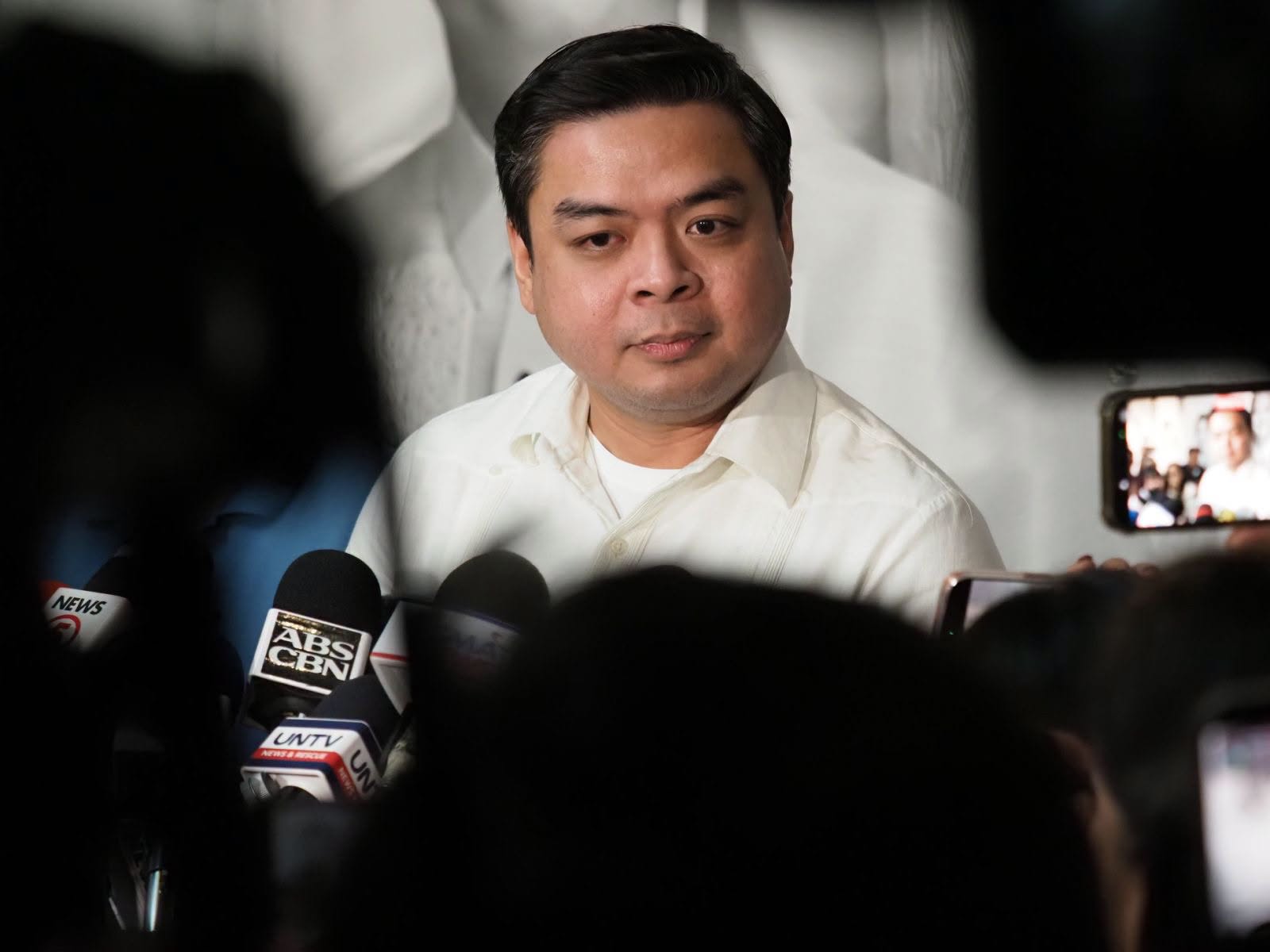
The issue was raised after impeachment prosecutor Bicol Saro Party-list Rep. Terry Ridon was asked about an alleged threat made against him by a councilor on social media and whether such rhetoric has become increasingly normalized among some public officials and their supporters.
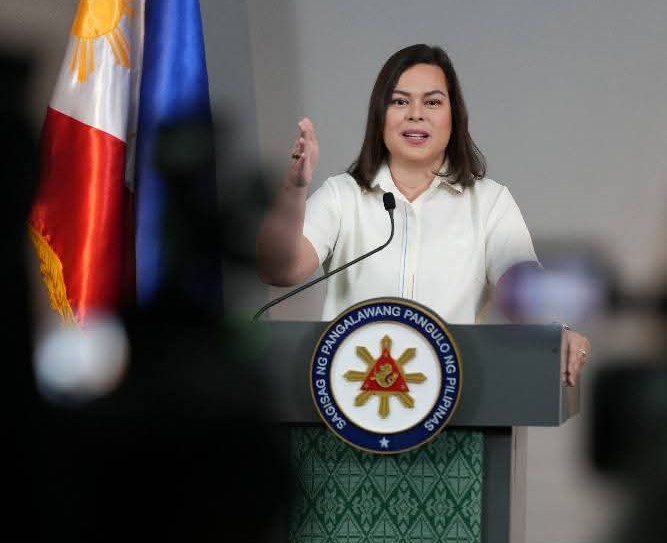
Ridon said the impeachment case against Vice President Sara Z. Duterte seeks to address not only the alleged grave threats against President Ferdinand R. Marcos Jr., First Lady Liza Araneta-Marcos, and former Speaker Ferdinand Martin G. Romualdez, but also a culture that normalizes threats.
“Ang totoo po dito, ang pinaprosecute po natin hindi po lang yung threats ng Pangulo. Ang pinaprosecute din po natin yung kultura ho ng pagbabanta,” Ridon said during a press briefing.
He said leaders inevitably influence the conduct of their followers.
“The followers follow the leader, hindi ho ba? So if the leader had made threats against the President, kahit ‘yung mga sumusunod ho sa kanila ay ganun din ang ginagawa, doon ho sa umuusig sa kanila pong leader,” he said.
Ridon said authorities should pursue all acts of intimidation with the same determination, whether committed by elected officials or their supporters.
“Very important nga na in the same manner na we are exacting high accountability on the VP for grave threats against the President and his family, dapat ganoon din kataas ‘yung sigasig natin doon sa paghahabol sa lahat ng gumagawa ng mga pagbabanta,” he said.
House prosecutor Manila Rep. Joel Chua said the case also serves to reinforce the standards expected of public officials, whose conduct is closely watched by the public, especially young people.
He said the alleged threats at the center of the impeachment case are particularly serious because they involved the country’s head of state.
“Ito pong pagbabanta na ginawa po, ito po ay hindi ordinaryong pagbabanta dahil ito pong pagbabantang ito ay pagbabanta sa head of the state. Ibig sabihin po, ito po ay pagbabanta sa Pangulo ng Republika ng Pilipinas na nagrepresenta sa ating bansa,” Chua said.
Chua said holding the Vice President accountable is also intended to show that such behavior has no place in public office.
“Kami po hindi lamang natin ito pinananagot dahil siya po ay Bise Presidente, pero gusto rin po natin ipakita sa mga bata at mga kababayan natin na ganito po ay mali po,” Chua stressed.
“Hindi po ito ang dapat na asal o inaasal ng mga tao lalong-lalo na po ‘yung mga nasa pinaka-matataas na posisyon sa ating lipunan dahil kung ganito po ang magiging asal, ano pa po ang puwedeng gayahin ng mga bata?” he said.
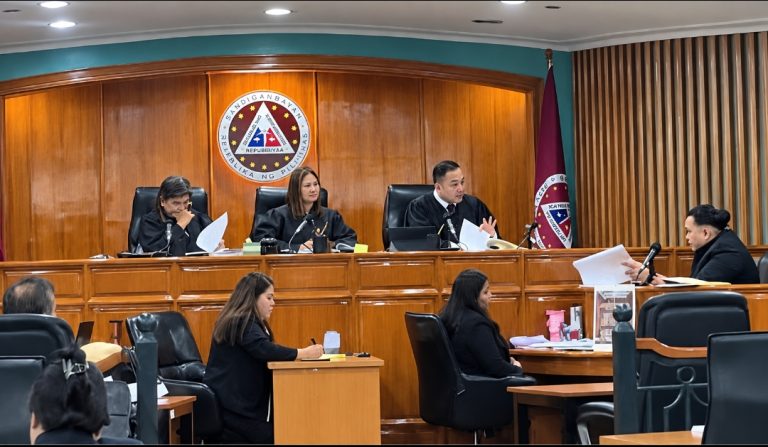
Deputy Speaker Janette Garin, meanwhile, said the allegation before the Senate impeachment court involves an alleged threat to kill, making it fundamentally different from ordinary disagreements or other forms of intimidation.
“‘Yung pagbanta na pinag-uusapan sa impeachment court ay pagbanta ng pagpatay. Marami, puwede kang magbanta ng sulat. There are a lot of threats, pero ‘yung pagbanta ng pagpatay ay hindi ordinaryo ’yun,” Garin said.
She said disagreements should be resolved through dialogue, not threats, and warned against normalizing violent rhetoric.
“Maski galit ka or meron kang inaayawan, hindi ito rason para magbanta ka sa iba. Lalo na kapag ito ay banta ng pagpapatay,” she said.
Garin said public officials bear a greater responsibility to model proper conduct because their actions shape public behavior.
“Hindi pwedeng gawing normal ’yan… And we have to set a good example. Dahil kaakibat ng ating posisyon ay pananagutan,” she said.
About the Author