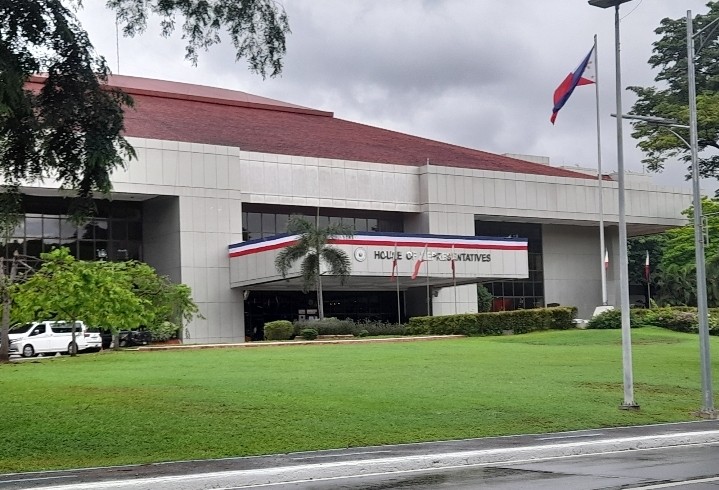
THE House of Representatives is set to adopt a cautious and well-calibrated approach in funding its response to the ongoing oil price crisis. Lawmakers emphasized the need to first mobilize available government resources without disrupting existing programs, while considering borrowing only as a last resort.
This according House Ways and Means Chair and Marikina Rep. Romero Federico “Miro” Quimbo, who in a press briefing on Tuesday emphasized that lawmakers are first looking inward—identifying savings, realigning funds, and tapping windfall revenues—before considering more drastic fiscal measures such as new borrowing or large supplemental budgets.
According to the lawmaker, “the first task is trying to map out where we can sweep additional funds without affecting current programs. So ‘yan ang una.”
He explained that part of the ongoing discussions among the 13 committees convened by Speaker Faustino “Bojie” Dy III is to determine how much can be generated from within the existing fiscal space, including excess revenues driven by inflation and currency movements.
“So part of it also is gathering available budget. Kung ano ‘yung pwede nating ma-realign. Are there additional? Are there savings that can already be declared? Lahat ‘yun pag-uusapan,” he said.
Quimbo noted that rising prices have led to higher tax collections, particularly from value-added tax (VAT), creating potential windfalls that can be redirected toward sectors most affected by the crisis.
The lawmaker explained that there will be a VAT windfall “because nagtaas ang presyo ng bilihin, tumataas ang VAT. Kailangan makuha natin yung windfall na ‘yan at maitulak siya, maibigay doon sa mga sectors where it is actually needed because tax revenues are great but they’re only as great if they fall into the hands of those who need it.”
He added that even gains from government financial operations, such as foreign exchange interventions, are being considered as possible sources of support.
“But many of those reserves ang bilihan ho is 54, 55 pesos ngayon binebenta at 60 there about, may windfall din ‘yan,” Quimbo said.
At the same time, Quimbo clarified that the House is not rushing into passing a supplemental budget, stressing that realignment of existing funds may be the faster and more efficient route.
“Hindi ko alam kung right now I don’t know if we still have to pass a supplemental budget. Hindi ba pupwede, kailangan natin ma-determine the quickest always is for the agencies to actually declare savings and realign them to existing programs that are in the budget already of 2026, meaning nasa GAA (General Appropriations Act) na.”
He pointed out that many agencies may already have built-in assistance programs that can be adjusted or expanded to respond to the crisis, reducing the need for new appropriations.
“Do they have assistance programs under the DOLE (Department of Labor and Employment) or under the Department of Migrant Workers? Baka meron na sila doon eh so kailangan lang i-realign,” he added.
The House’s approach, Quimbo said, reflects a broader strategy to balance urgency with fiscal responsibility, ensuring that aid reaches affected sectors quickly while preserving the integrity of ongoing government programs.
“Not to say that we’re not going to pass a supplemental budget but that’s why we need to do all of these hearings to see ano ang pwede nating gawin without legislation, ano naman ‘yung pwede nating gawin that requires some degree of legislation,” he added.
As deliberations continue, Quimbo stressed that the goal is to craft a comprehensive response that maximizes available resources, minimizes disruption, and only turns to additional borrowing when absolutely necessary.
About the Author