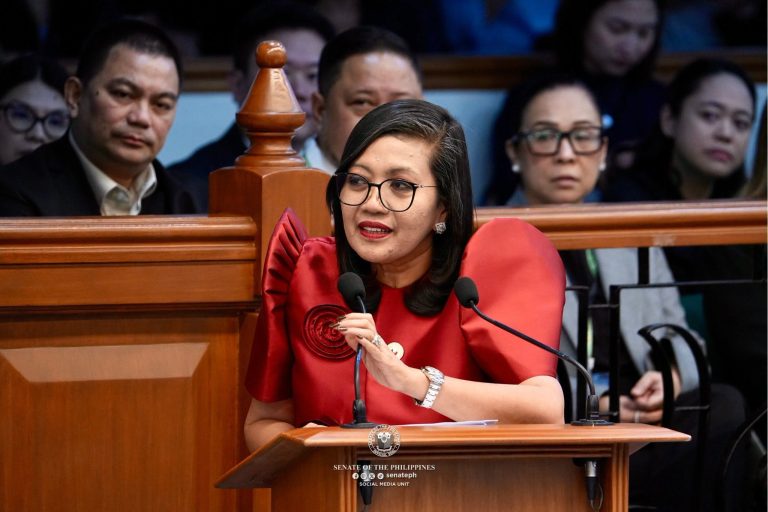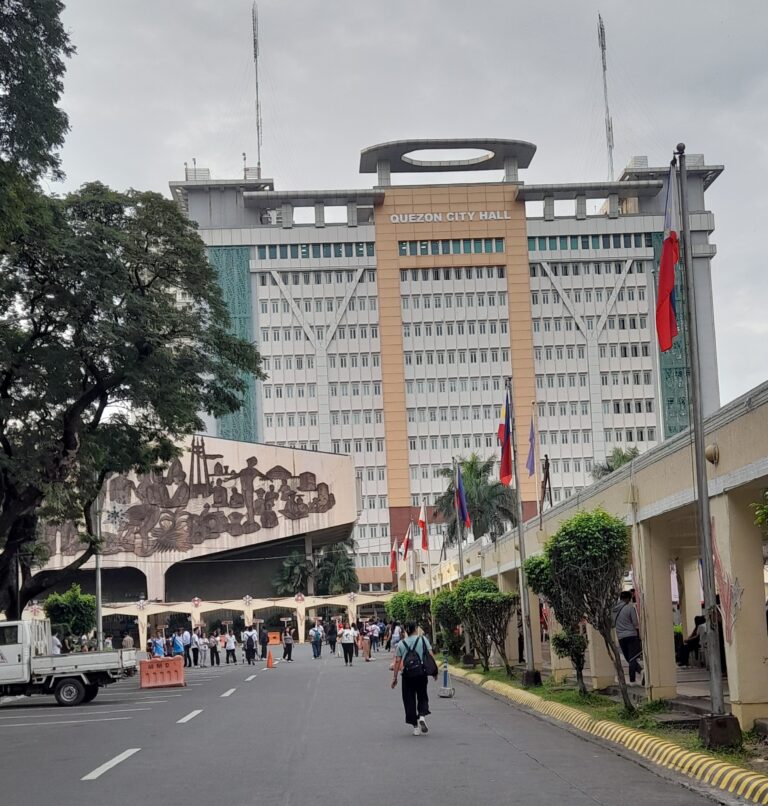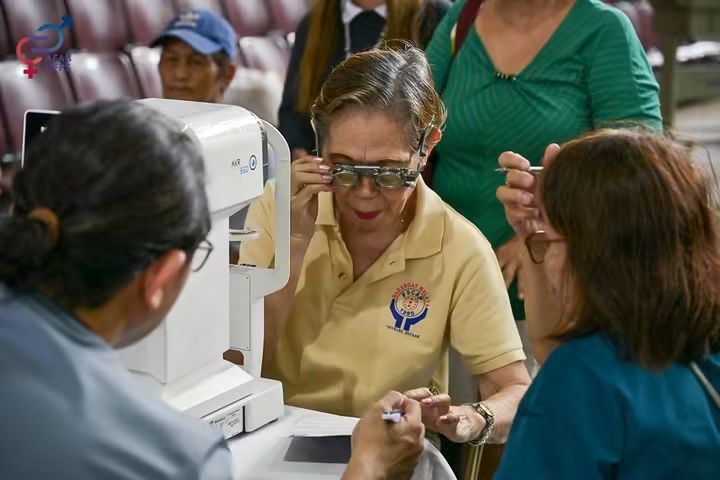
ALARMED by mounting water service failures and growing public outrage in Zambales and other areas, reelected Zambales 1st District Representative Jay Khonghun has filed a resolution urging the House of Representatives to investigate alleged irregularities in joint venture agreements (JVAs) between local water districts and PrimeWater Infrastructure Corporation.
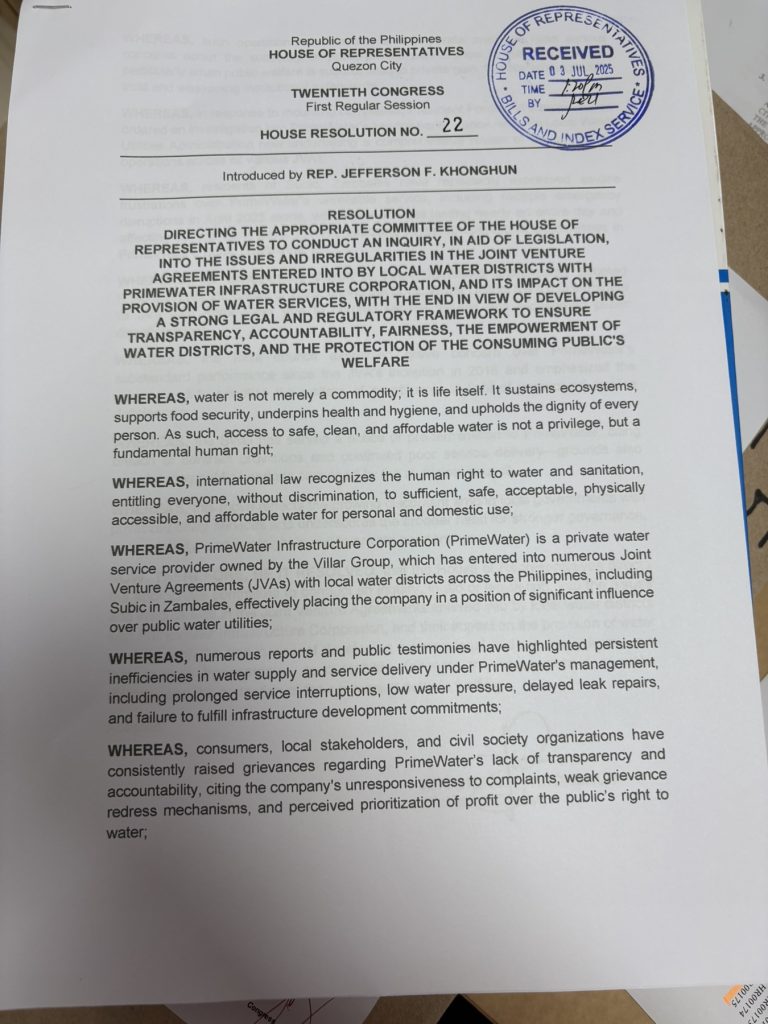
In House Resolution No. 22, Khonghun called on the appropriate House committee to conduct an inquiry, in aid of legislation, to assess the impact of these JVAs on public water services and to examine reports of widespread inefficiencies and lack of transparency.
Khonghun underscored the need to develop a strong legal and regulatory framework that ensures transparency, fairness, and public welfare in privatized utility partnerships.
“Ang tubig ay buhay, hindi lamang negosyo,” Khonghun said as he pushed for stronger regulation of local water district joint ventures to protect the public from poor water service and ensure accountability in private deals.
“Water is not merely a commodity; it is life itself… Access to safe, clean, and affordable water is not a privilege, but a fundamental human right,” Khonghun added.
He said PrimeWater, a private water service provider under the Villar Group, has partnered with dozens of local water districts nationwide with Joint Venture Agreements (JVAs), including Subic in Zambales.
This effectively placing the company in a position of significant influence over public water utilities, according to Khonghun.
However, Khonghun cited numerous reports of prolonged water interruptions, poor pressure, delayed leak repairs, and failure to meet infrastructure commitments under PrimeWater’s management.
“Numerous reports and public testimonies have highlighted persistentinefficiencies in water supply and service delivery under PrimeWater’s management, including prolonged service interruptions, low water pressure, delayed leak repairs, and failure to fulfill infrastructure development commitments,” Khonghun said in his resolution.
“Consumers, local stakeholders, and civil society organizations have consistently raised grievances regarding PrimeWater’s lack of transparency and accountability, citing the company’s unresponsiveness to complaints, weak grievance redress mechanisms, and perceived prioritization of profit over the public’s right to water,” he said.
Such operational deficiencies and corporate practices raise serious concerns about the suitability of public-private partnerships in the water sector, particularly when public welfare is subordinated to private gain, thereby eroding public trust and weakening institutional safeguards,” Khonghun said.
In response to mounting complaints, Khonghun said President Ferdinand R. Marcos Jr. has ordered an investigation into PrimeWater’s service performance, with the Local Water Utilities Administration now undertaking a comprehensive review of the company’s operations across its various JVAs.
Khonghun said residents of Subic, Zambales have repeatedly expressed severe frustrations over PrimeWater’s unreliable service, including multiple emergency disruptions in April 2025 alone, with some outages lasting nearly an entire day and affecting several barangays, thereby exposing alleged systemic operational weaknesses in PrimeWater’s Subic operations.
“The Sangguniang Bayan of Subic, Zambales unanimously adopted Resolution No. 29, Series of 2025, urging the Subic Water District (SWD) to terminate its JVA with PrimeWater due to chronic service failures and widespread public dissatisfaction,” Khonghun said.
He said the local council expressed grave concern over PrimeWater’s alleged substandard performance since the JVA’s inception in 2018 and emphasized the urgent need to prioritize the welfare of constituents in light ofunresolved service deficiencies;
The SWD has since issued a notice of pre-termination to the company, citing breach of contract and unresolved service failures.
“This move reflects the growing discontent among local governments with privatized utility services and underscores the broader need for stronger governance, accountability, and oversight in public-private partnerships,” the resolution stated.
Khonghun said he hopes that the congressional inquiry will lead to legislative measures that empower water districts while ensuring that private partnerships serve the interests of the public—not profit.
The proposed inquiry is expected to involve testimonies from affected communities, local officials, civil society groups, and relevant government agencies.
About the Author