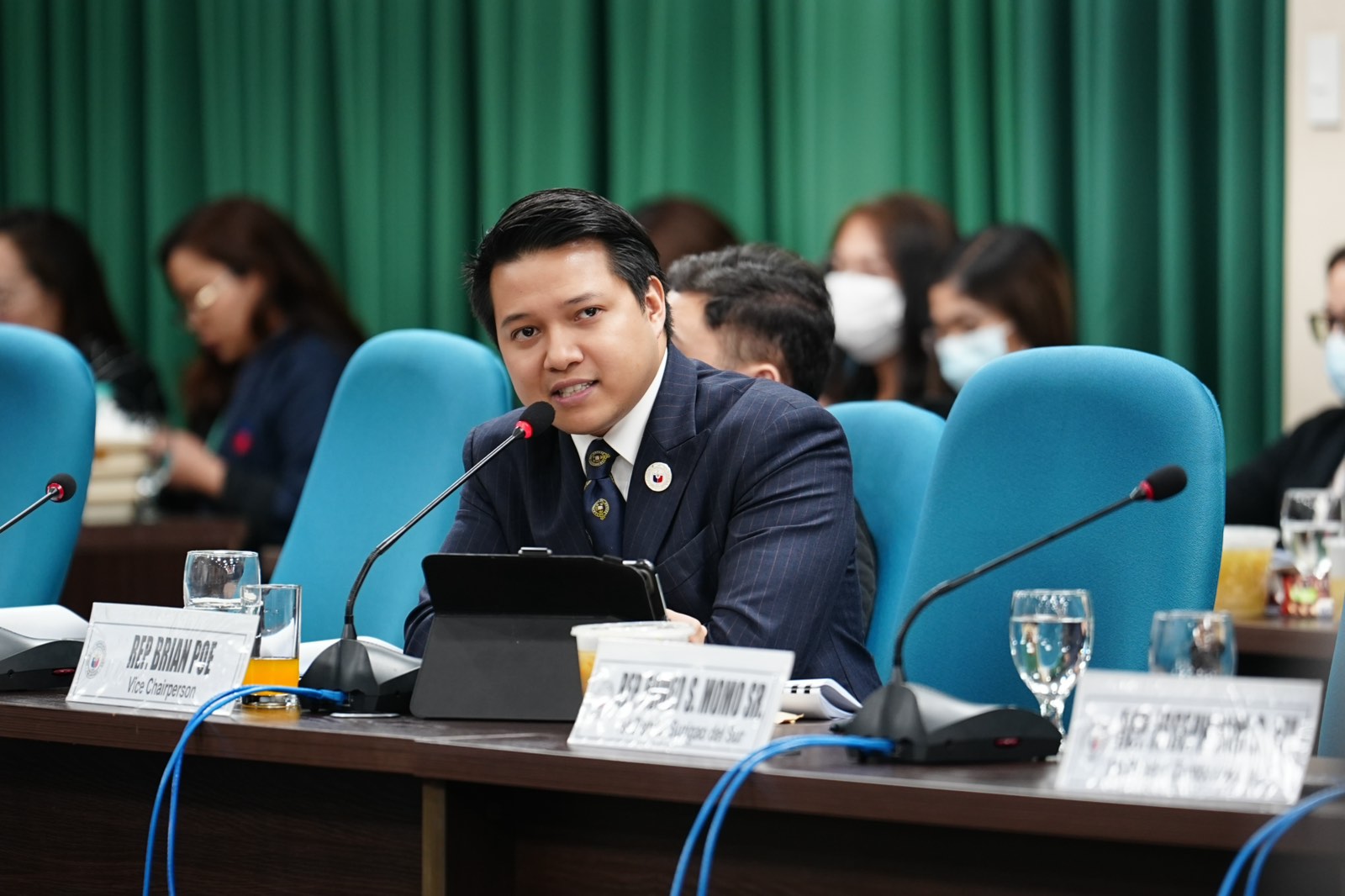
Photo courtesy from Office of Cong. Brian Poe
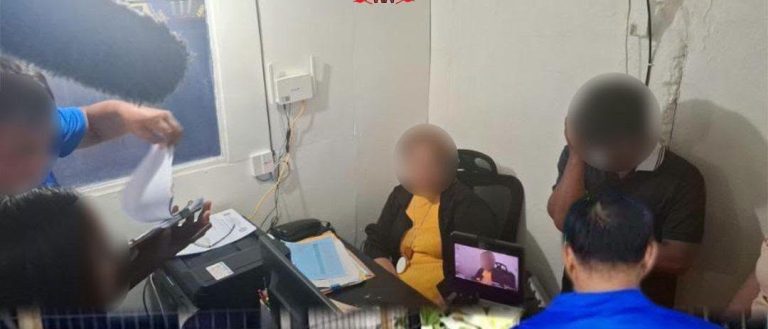
QUEZON CITY — FPJ Panday Bayanihan Party-list Rep. Brian Poe, Vice Chair of the House Committee on Appropriations, has urged the Department of Transportation (DOTr) and the Land Transportation Office (LTO) to lower the cost of motorcycle licensing.
“More than half of motorcycle violators have no license. One big reason is cost. At ₱400, it may not seem like much to some, but for a minimum wage earner, that is already one day’s full salary. On top of that, they have to miss work to apply, so effectively they are paying the equivalent of two days’ wages just to get one license. For many of our kababayans, that’s too heavy a burden,” Poe said.
Motorcycles currently account for 61 percent of vehicles nationwide, but they also account for 36 percent of all road accidents, with 76 percent of those being fatal. Poe argued that these numbers show the urgency of making licensing more affordable and accessible.
“This is about safety and saving lives. If licensing remains out of reach, riders will continue driving without training, without testing, and without proper documentation. By lowering the cost and making it easier to comply, we can encourage more riders to go through the legal and safe process. That is far cheaper than the social cost of road accidents,” he said.
Acting DOTr Secretary Giovanni Z. Lopez assured lawmakers that reforms are underway. He said that the DOTr and LTO are enhancing both the theoretical and practical exams for riders, introducing motorcycle-specific testing questions, developing new driving courses, and implementing digital monitoring to prevent fraudulent ‘no-show’ testing. He also committed to consulting with motorcycle groups to explore ways of lowering licensing fees and easing compliance.
Rep. Poe welcomed these efforts but insisted that affordability should remain at the core of reform. “I urge the DOTr and the LTO to not just improve the process, but to make licensing truly accessible. Compliance with the law should not be a privilege only for those who can afford it. It should be within reach of every rider, because every rider on the road represents a life that must be protected,” he concluded.
About the Author