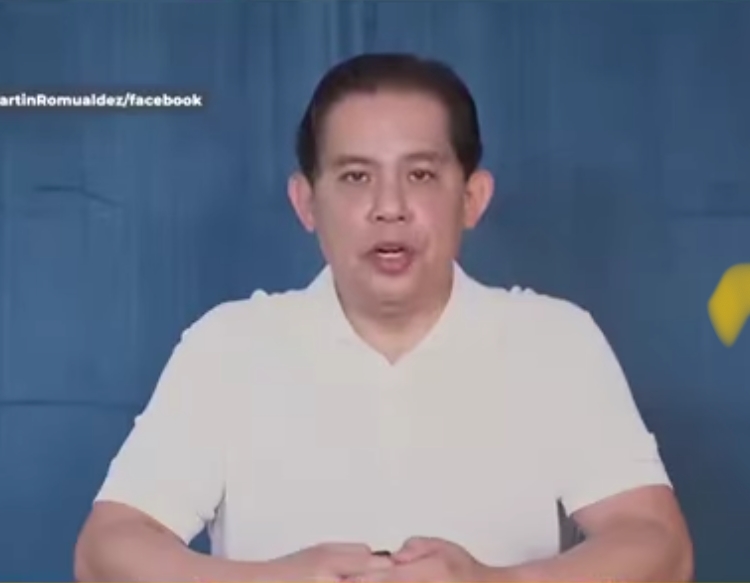
FILIPINO households may soon find it easier and more affordable to install rooftop solar panels under a proposed measure approved by the House Committee on Ways and Means chaired by Marikina 2nd District Rep. Miro Quimbo.
The panel approved the bill on Monday, seeking to ease regulations on household installation of rooftop solar panels and other renewable energy systems for personal use.
Quimbo said the measure aims to help families reduce their electricity expenses by allowing them to generate their own power instead of relying entirely on distribution utilities.
“It’s high time we recognize the right of Filipino families to generate their own electricity and support them with clear rules, practical incentives, and what help is available to cover the cost,” Quimbo said.
He added that while the Philippines cannot control fluctuations in global energy prices, the government can make solar power more accessible to ordinary households.
Under the proposed measure, qualified consumers may install zero-export renewable energy systems on properties they own or exclusively control. This would allow households to use electricity generated by their solar panels during the day while reducing their dependence on power utilities.
Any excess electricity would be prevented from flowing back into the power grid.
During the deliberations, lawmakers also discussed proposed tax incentives, including income tax deductions, value-added tax exemptions and duty-free importation of qualified solar equipment.
However, the Department of Finance pointed out that some of these incentives are already available under the CREATE MORE Act and warned against allowing beneficiaries to claim the same incentives twice.
The committee also agreed to remove a proposed real property tax exemption following concerns over the taxing authority of local government units.
Aside from encouraging household solar installations, the bill seeks to promote the local manufacture and assembly of renewable energy equipment and provide training for Filipino installers and repair technicians.
The committee approved the substitute bill without objection and adopted its committee report, subject to amendments agreed upon during the hearing.
Referred by the House Committee on Energy, the measure consolidates 19 House bills and seeks to amend the Electric Power Industry Reform Act (EPIRA) of 2001.
Quimbo said the proposal would encourage more Filipino families to invest in clean energy and help expand the country’s shift toward renewable power.
About the Author