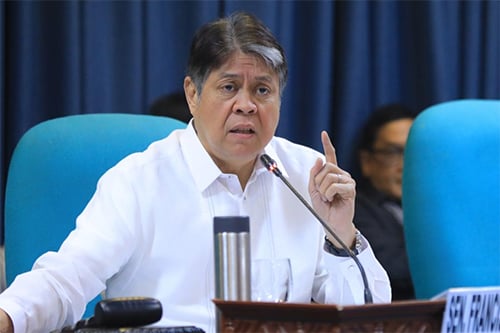
SENATORFrancis “Kiko” Pangilinan said increased funding for digital agriculture in the 2026 Department of Agriculture budget would help prevent the kind of corruption and leakage seen in recent infrastructure scandals, including the controversial flood-control projects.
The bicameral committee raised digital agriculture funding from ₱500 million to ₱600 million, supporting more precise, efficient, and evidence-based farming and food value chains.
DA’s digital agriculture aims to use data, online platforms, and smart technologies to support systems for farmer and fisher registries, traceability, monitoring, and data-driven planning. It would also have data dashboards that give the DA real-time visibility over production, inputs, infrastructure, and risks.
“Walang pagnanakaw ‘pag nakamasid ang taumbayan. Ang maganda sa digital, mahirap itago ang katotohanan kaya mainam na proteksyon ito para sa ating lahat na nagbabayad ng buwis (No stealing happens when the public is watching. Digital makes it difficult to hide the truth, effectively protecting all of us who pay taxes),” Pangilinan said.
“Sisiguruhin nitong tech na mapupunta sa totoong magsasaka at mangingisda ang ayuda, insurance, at iba pang suporta, at hindi sa mga multo (This technology can ensure that subsidies, insurance, and other support go to real farmers and fisherfolk, not ghost beneficiaries),” he added.
The senator said that integrating this tool in planning, procurement, extension, market access, and enforcement systems translates increased budgets into measurable results.
“Pinakamalakas na depensa laban sa korapsyon ‘pag bukás ang datos at proseso, at may paki ang taumbayan. Di na dapat maulit ang mga pagkakamali ng DPWH (The strongest defense against corruption are open data and processes, and people who care. The mistakes in DPWH must never be repeated),” Pangilinan said.
On the ground, the DA digital push includes platforms such as e-Kadiwa or Kadiwa Online, which links farmers directly with consumers, and the use of drones, satellite imaging, and remote sensing for crop monitoring, yield forecasting, and disaster assessment.
Studies highlight the potential of digital agriculture to boost productivity, resilience, and farmer incomes. However, gaps in connectivity, devices, and digital skills could leave smallholders behind, thus underscoring the need for inclusive extension services, infrastructure investments, and strong public-private partnerships.
“Gamitin natin ang makabagong teknolohiya na dapat naabot at nagagagmit din ng mga constituent ng DA. Kung gusto natin ng mas abot-kayang pagkain at mas mataas na kita ng mga magsasaka at mangingisda, kailangan natin ng mga datos at prosesong nasusubaybayan at nasusuri (Let’s use new tech that is also accessible and usable by the constituents of DA. If we want lower food prices and higher farmer incomes, we need data and processes that are traceable and checkable),” he said.
About the Author