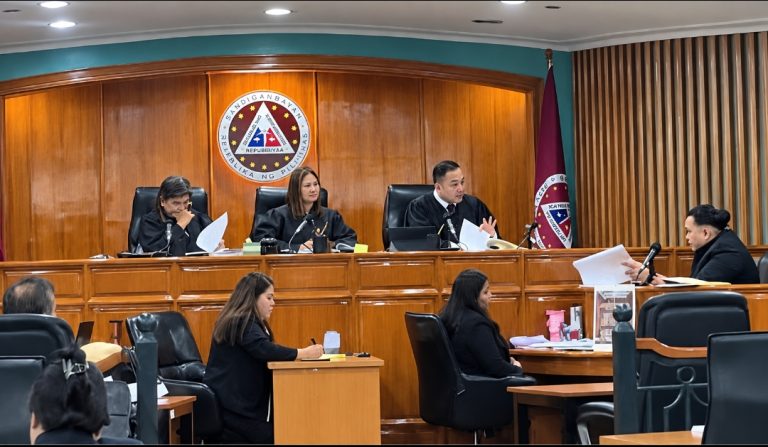
PRESIDENT Ferdinand R. Marcos Jr. has recently signed Republic Act (RA) 12312, or the “Anti-POGO Act of 2025,” which institutionalizes the ban on Philippine Offshore Gaming Operators (POGOs).
President Marcos signed RA 12312 on October 23, 2025, repealing Republic Act No. 11590, otherwise known as “An Act Taxing Philippine Offshore Gaming Operations.” Republic Act No. 11590 previously imposed taxes on both offshore gaming licensees and their service providers operating in the Philippines.
“The State recognizes that the maintenance of peace and order, the protection of life, liberty, and property, and the promotion of the general welfare are paramount for the meaningful enjoyment of democracy. The State likewise values the dignity of every human person and guarantees full respect for human rights,” the new law said.
The Act was passed by the Senate of the Philippines as Senate Bill No. 2868 on June 9, 2025, and adopted by the House of Representatives as an amendment to House Bill No. 10987 on June 11, 2025.
In November 2024, citing risks posed by POGO operations in the country, President Marcos issued Executive Order No. 74 imposing an immediate ban on offshore and internet gaming.
In issuing the EO 74, President Marcos said, “the State has the paramount duty to safeguard national security, maintain public order, uphold the rule of law, protect the safety of its citizens, and ensure the integrity of the social fabric of the nation.”
During the State of the Nation Address on July 22, 2024, President Marcos declared a POGO ban due to crimes, such as human trafficking and torture, associated with POGO hubs.
President Marcos said that banning all POGOs will solve many of the problems the Philippines is encountering.
Under the law, first time violators will face imprisonment of 6 to 8 years and a fine between PhP300,000 and PhP15 million; for the second offense will be imprisonment of 8 years and 1 day to 10 years and a fine between PhP15 million and PhP30 million; and for the third offense will be imprisonment of 10 years and 1 day to 12 years and a fine between PhP30 million and PhP50 million.
If the offender is a public official or employee, the maximum penalty under the applicable category will be imposed. If the guilty party is/are a foreigner/s, they will be deported immediately after serving their sentence and permanently banned from re-entering the Philippines.
About the Author