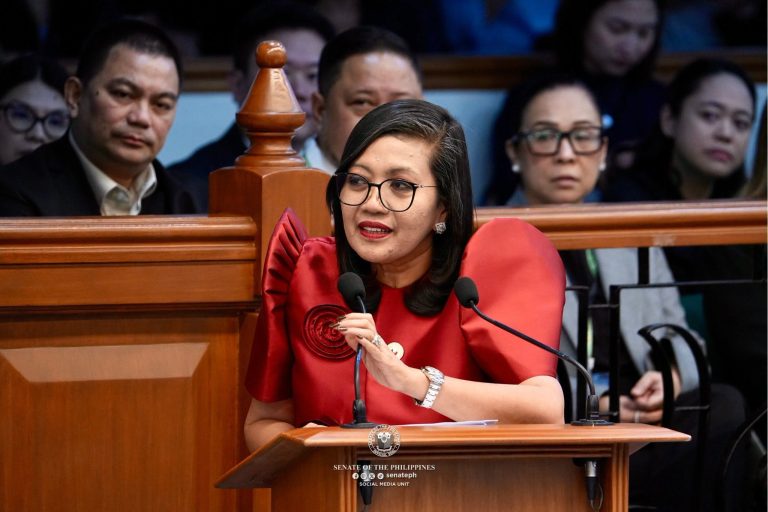
HOUSE Committee on Banks and Financial Intermediaries Vice Chair Raymond Adrian Salceda has filed House Bill No. 7120, or the “Shareholder Bill of Rights Act,” which seeks to strengthen and institutionalize protections for minority shareholders in both listed and non-listed corporations.
“Lagi pong talo ang maliliit na investor. Kaya wala talagang retail market,” Salceda said.
The measure is Salceda’s latest push for retail investor protection, following his December letter to SEC Chairman Francis Lim raising concerns about the blocking of Philippine resident access to Interactive Brokers. In that letter, Salceda warned that restricting access to global platforms risks reducing overall engagement with equity investing and could weaken perceptions of the Philippine market’s openness and investability.
“Whether it’s access to global markets or protection within domestic corporations, the problem is the same—ordinary investors are either locked out or taken advantage of,” Salceda said.
HB 7120 introduces mechanisms proven effective in Singapore, the European Union, and the United States, including tag-along rights allowing minority shareholders to exit on the same terms when controlling shareholders sell, enhanced appraisal rights for dissenting shareholders in fundamental corporate changes, and majority-of-minority approval requirements for material related party transactions.
The bill also mandates say-on-pay provisions requiring shareholder votes on executive compensation, streamlined derivative action procedures enabling shareholders to pursue corporate claims, and quarterly financial disclosures for close corporations.
For listed corporations and corporations vested with public interest, material related party transactions will require board approval with conflicted directors abstaining, independent fairness opinions for transactions exceeding 10% of total assets, and majority-of-minority shareholder approval for transactions exceeding 25% of total assets or resulting in a change of control.
The measure aligns Philippine standards with the revised G20/OECD Principles of Corporate Governance 2023.
Violations carry administrative penalties of up to P5 million for disclosure failures and up to P10 million plus personal liability for willful violations involving related party transactions, oppression, or self-dealing. Criminal liability includes imprisonment of six to twelve years and fines up to P20 million.
About the Author