THE Second Congressional Commission on Education (EDCOM 2) conducted a focus group discussion last Thursday, May 28, with Junior High School students at President Corazon C. Aquino High School in Port Area, Manila City. The dialogue aimed to evaluate the ongoing Academic Recovery and Accessible Learning (ARAL) Summer Program and gather ground-level feedback directly from learners to guide future education policies.
The learners, composed of students from Grades 8-10, detailed a troubling culture of bullying and disruption during the regular school year when classrooms are overcrowded, contributing to a lack of a sense of safety in the school grounds. Describing regular classes, students reported, “Una, magulo. Makukulit. Maingay. Minsan may mga nambubully o nanununtok, nang-aagaw ng bag, nananago ng ballpen”. Furthermore, students mentioned being teased about their gender and facing severe mockery from peers when making mistakes while reading out loud.
The students revealed that the bullying often escalates into coordinated physical violence and severe intimidation that drives some to absenteeism.
“Naranasan na po ang mapagtulungan sa loob ng classroom. Pinagsasapak po ako,” one student confessed, detailing how groups of peers gang up on individuals. The threat of violence extends beyond the classroom walls, forcing some to skip school entirely out of fear: “Hindi ako nakapasok ng tatlong araw… yung dahilan na yung aabangan ako,” another student shared.
One learner also shared, “Wala po [safety] talaga dito sa school, at mas malala pa pag lumabas na [ng school].” Furthermore, students expressed that even trying to participate in class can lead to public humiliation, pleading, “Yung pumasok po kami para matuto hindi mapahiya”. Beyond their school, students also face bullying in online spaces, such as the posting of stolen videos or pictures of them in comfort rooms on social media.
Alarmingly, students expressed a deep reluctance to report these incidents. They noted that interventions from teachers or the school’s lone guidance counselor are largely ineffective, and reprimanding the bullies often results in retaliation. One student explained, “Kahit pinapagalitan ni teacher hindi tumatalab, hindi nagbabago yung classmate mas lalong nagagalit yung classmate. Tsaka pong mas lalo lumalaki [ang gulo]”.
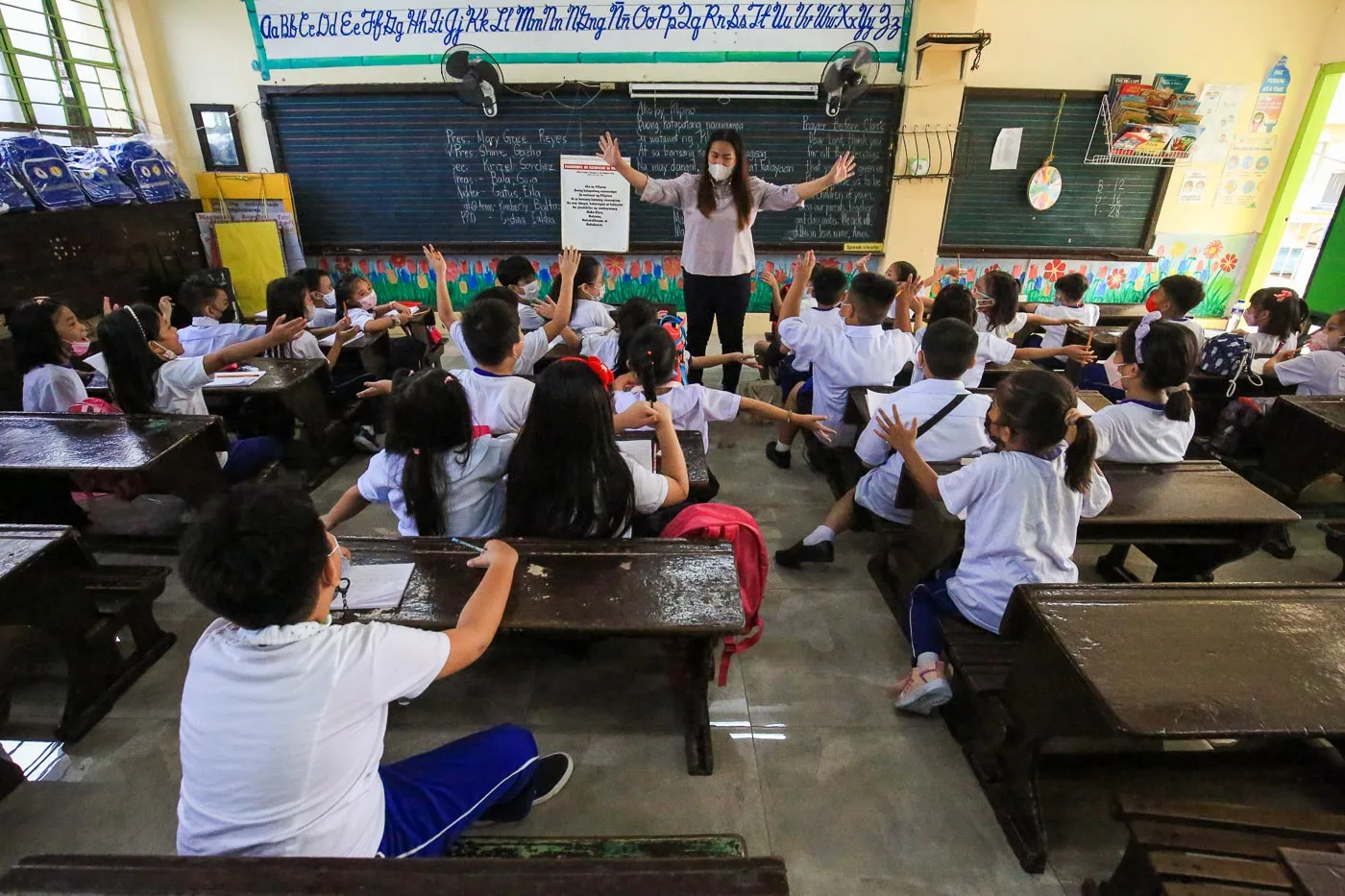
Students described the smaller ARAL summer classes as a safer and more supportive environment for learning. Compared to regular classes packed with up to 60 students in their school, the summer classes mandate a maximum number of 10 learners per class, which students say helps significantly in focusing and absorbing lessons. This made students feel more comfortable in asking questions without fear of ridicule from classmates.
Beyond classroom dynamics, students raised significant concerns regarding overcrowded facilities and an uncomfortable environment, noting that cramped conditions and poor ventilation make it difficult to concentrate. The extreme heat during peak afternoon hours contributes heavily to discomfort, fatigue, and reduced focus, prompting many learners to place electric fans or air conditioning at the top of their wish list for school improvements. Compounding these environmental challenges, some classes are forced to start as early as 5:30 AM due to congestion, further highlighting the strain on both resources and schedules.
“The experience of the students in Baseco, Tondo, teaches us that our students are struggling not simply due to academic challenges, but because of various factors, including bullying,” said EDCOM 2 Executive Director Karol Mark Yee. “This tells us that as we continue refining the ARAL Program, we must bear in mind not only instilling academic rigor, but also supporting our students so they feel safe, psychologically and physically, in school.”
According to Dr. Therese Bustos, former Dean of the UP College of Education and EDCOM Standing Committee member, this means teachers should be supported with strategies which help minimize stigma associated with learning difficulties, such as individualized, one-on-one support for struggling students.
About the Author