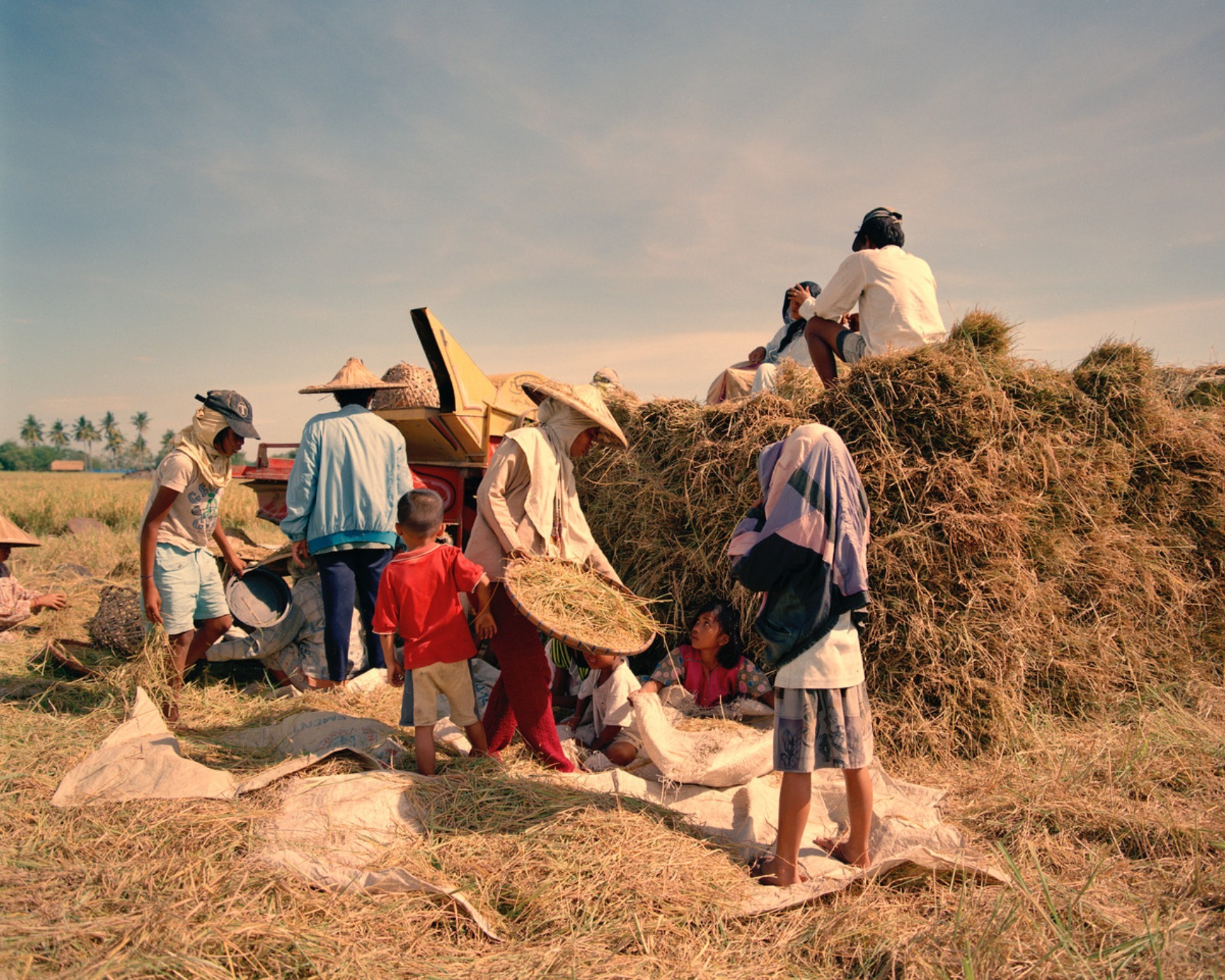
HOUSE Special Committee on Food Security Chair Rep. Raymond Adrian Salceda is urging the government to expand the Rice Farmer Financial Assistance (RFFA) program to cover all rice farmers — including those planting more than two hectares — to boost yields and strengthen the country’s food security.
Salceda consulted with Salceda Research, the policy think tank run by former House Ways and Means Chair Joey Salceda. The think tank’s analysis estimates that adding farmers planting above two hectares to the RFFA list would mean just around 281,400 additional beneficiaries. The current RFFA already covers around 2.12 million rice farmers tilling up to two hectares.
In 2024 rice tariff collections reached ₱34 billion. Under Republic Act No. 12078, or the amendments to the Rice Tariffication Law, ₱30 billion is automatically appropriated to the Rice Competitiveness Enhancement Fund. Another ₱2 billion is allocated to the Department of Agriculture buffer fund. That leaves ₱2 billion that, under the 2025 budget’s Special Provisions, can be released subject to guidelines issued jointly by the Department of Agriculture and the Department of Finance. This provision gives policymakers room to expand the coverage of financial aid.
“Nagsasaka naman lahat, kahit anong laki ng lupa. Lahat naman nasaktan ng mababang taripa sa bigas. Lahat masasaktan ng bagyo at habagat. Kaya tingin ko, bigyan na lahat,” Salceda said.
Salceda urged the Department of Finance and the Department of Agriculture to immediately craft and issue the necessary joint guidelines under the 2025 General Appropriations Act to enable the use of the ₱2 billion in excess rice tariff revenues for direct financial aid to all rice farmers regardless of farm size. He added that his office and Salceda Research already have suggested guidelines which they will immediately provide to the DA for the President’s and the Secretary’s reference.
He stressed that there is just enough time for the government to implement the expanded program before the planting season so that farmers can use the financial aid to buy seeds, fertilizer, and other inputs that will directly contribute to higher yields. He added that dry season planting peaks in November, which gives the government a narrow but sufficient window to release the aid so that it can be used for farm inputs during this crucial production period.
Implementation for farmers planting above two hectares would be simple. They would present proof of ownership or cultivation rights and validation from the Municipal Agriculture Office that the land is planted with rice.
“Pambili din po ng abono. Financial aid in cash is still the best form of support to farmers because they know better what is best suited to their specific needs,” Salceda added.
About the Author