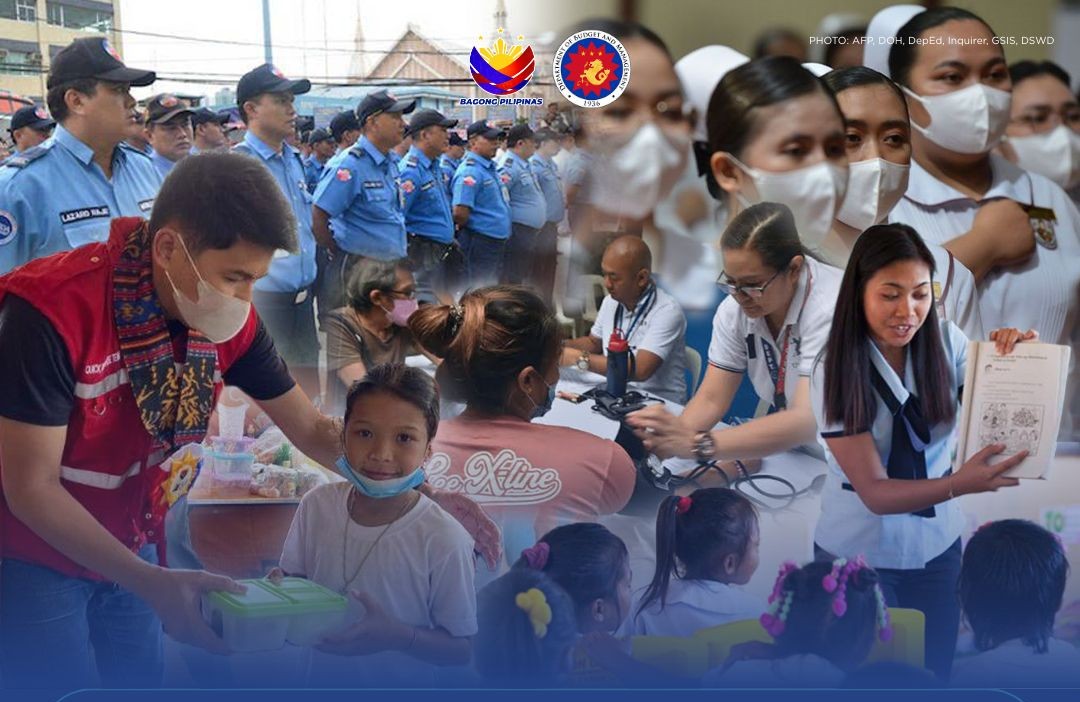
INILABAS na Department of Budget and Management (DBM) ang National Budget Circular (NBC) No. 601 o ang ikatlong tranche ng updated salary schedule para sa mga civilian government personnel na magiging epektibo sa January 1, 2026.
Ang Circular ay alinsunod sa Executive Order (EO) No. 64, s. 2024 na nagtatakda ng four-tranche salary adjustment program mula 2024 hanggang 2027. Layunin nito na masigurong maayos, patas, at pangmatagalan ang Compensation and Position Classification System (CPCS) para sa mga civilian personnel sa buong gobyerno.
“This is President Bongbong Marcos’ promise fulfilled,” sabi ni DBM Acting Secretary Rolando U. Toledo. “The third tranche of the salary increase reflects the President’s firm belief that those who serve the public deserve fair compensation that allows them to care for their families and live with dignity.”
Saklaw ng NBC No. 601 ang lahat ng civilian government personnel, regular man, casual, o contractual; appointive o elective; at full-time o part-time, sa executive, legislative, at judicial branches ng gobyerno, pati na rin sa constitutional commissions at constitutional offices, state universities and colleges (SUCs), at government-owned or -controlled corporations (GOCCs) na hindi saklaw ng Republic Act No. 10149 at EO No. 95, s. 2025.
Hindi naman saklaw ng Circular ang military and uniformed personnel, ang mga GOCCs na may sariling Compensation and Position Classification System na itinakda ng Governance Commission for GOCCs at inaprubahan ng Pangulo, gayundin ang mga indibidwal na walang employer-employee relationship tulad ng job order at contract of service workers at mga consultants.
Ayon sa Circular, magsisimula ang Third Tranche Monthly Salary Schedule sa ilalim ng EO No. 64 sa January 1, 2026. Iaaangat ang sahod ng mga kasalukuyang empleyado batay sa Third Tranche Salary Schedule at sa tamang step ng salary grade ng kanilang posisyon as of December 31, 2025. Ang mga bagong empleyado at casual o contractual personnel ay tatanggap ng sahod sa Step 1 ng kaukulang Salary Grade, habang ang mga compulsory retirees na na-extend ang serbisyo lampas December 31, 2025 ay may karapatan din sa salary increase, alinsunod sa mga probisyon ng Circular.
May mga inilagay na halimbawa sa NBC No. 601 para magsilbing gabay sa mga empleyado at ahensya. Halimbawa, ang isang Administrative Officer II (SG-11) na may sahod na P30,024 noong December 31, 2025 ay magiging P31,705 simula January 1, 2026. Ang isang Senior Agrarian Reform Program Officer (SG-18) na may sahod na P51,304 ay magiging P53,818, habang ang isang Administrative Assistant II (SG-8, Step 8) na tumatanggap ng P22,843 noong December 31, 2025 ay magiging P23,883 simula January 1, 2026.
“These increases are meant to be felt at home,” sabi ni Acting Secretary Toledo. “They will help cover daily expenses from food, transportation, schooling to healthcare and give our employees and their families greater financial stability.”
Nilinaw ng DBM na ang pondong kailangan para sa pagpapatupad ng ikatlong tranche ay naka-laan na sa FY 2026 General Appropriations Act (GAA). Para sa national government agencies, ang salary increase ay kukunin mula sa kanilang Personnel Services budgets sa ilalim ng FY 2026 GAA. Para naman sa casual at contractual personnel na pinopondohan sa lump-sum appropriations, manggagaling ang increase sa approved lump-sum Personnel Services allocations ng ahensya. Para sa mga GOCCs na saklaw ng Circular, ipatutupad ito gamit ang kanilang approved Corporate Operating Budgets (COBs), nang walang dagdag na pondo mula sa National Government at walang pag-utang.
Lahat ng salary adjustments ay mananatiling saklaw ng umiiral na budgeting, accounting, at auditing laws, at ang mga ahensya ay mananagot sa maayos at tamang pagpapatupad nito.
Binigyang-diin ni Acting Budget Secretary Toledo na ang ikatlong tranche ay bahagi ng mas malawak na people-centered reform agenda ng administrasyon ni Marcos Jr. upang palakasin ang burukrasya at pagbutihin ang serbisyo publiko. “President Bongbong Marcos understands that a strong nation is built by people who feel valued and supported,” ani Toledo. “By honoring this commitment, we are investing not only in our civil servants, but in better public service for every Filipino.”
About the Author