Manila, Philippines — A PILLAR of Philippine land transportation is preparing for its final trip. Philtranco Service Enterprises Inc., one of Asia’s oldest bus companies, has announced it will permanently cease operations effective March 30, 2026, ending more than a century of service to Filipino commuters.
In a memorandum dated February 2, 2026, President and CEO Michael M. Sabban delivered the news with what he described as a “heavy heart and deep regret.” The company, founded in 1914, has reportedly been grappling with mounting financial difficulties for years.
Management acknowledged it had been fighting an “uphill battle,” but persistent and staggering business losses ultimately forced the company’s hand.
“This decision was our absolute last resort, made only after every other alternative was exhausted,” the memo stated, underscoring the gravity of the financial crisis facing the century-old transport firm.
The Human Cost
Beyond the symbolic loss of a transportation institution, the shutdown carries immediate and painful consequences for its workforce. Philtranco admitted it is no longer in a position to sustain payroll, leaving hundreds of employees and their families facing uncertainty.
In his message, Sabban paid tribute to the people who kept the company running across generations.
He described the drivers and conductors as the “HEARTBEAT” of the service and the guardians of passengers who entrusted their safety to Philtranco’s care. Meanwhile, the maintenance crews and office personnel were recognized as the “BACKBONE” of the organization — the unseen force that kept its sprawling operations functional for more than a century.
For many employees, Philtranco was not merely a job, but a lifelong vocation tied to family tradition and community identity.
A Legacy on the Open Road
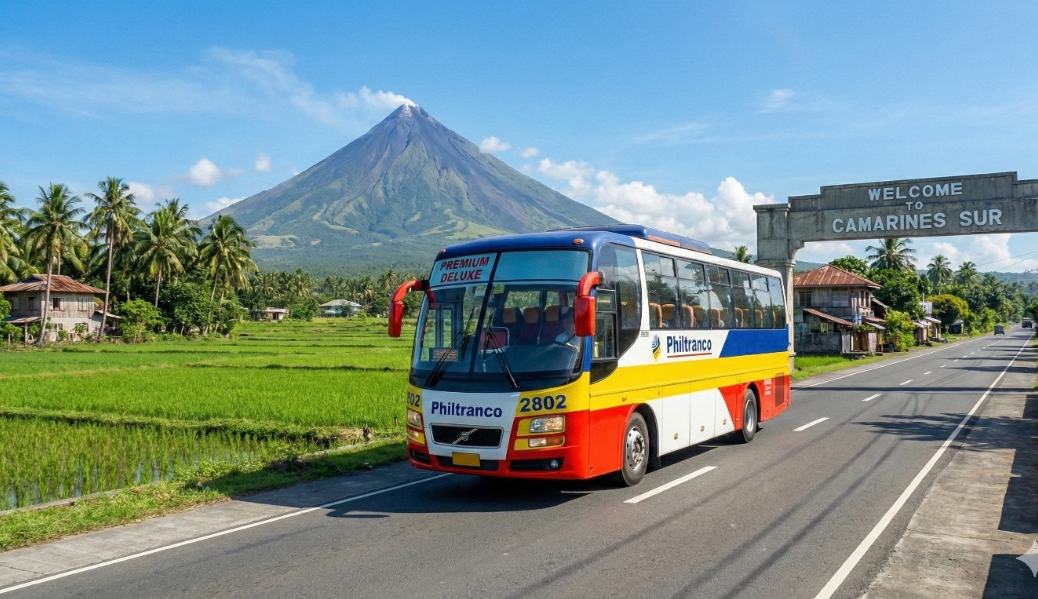
Founded on July 14, 1914, originally as the Auto Linea Transit Company (ALATCO), Philtranco grew into one of the most recognizable names in Philippine transportation. Its signature red and gray buses traversed Luzon, Visayas, and Mindanao, linking provinces long before the rise of modern expressways.
Over 111 years, the company witnessed — and adapted to — the country’s evolving infrastructure, from gravel and dirt roads to sprawling highway systems. For countless Filipinos, a Philtranco bus symbolized departure and return, opportunity and homecoming.
As the March 30 closure date approaches, commuters and former employees alike reflect on the company’s historical role as a literal and figurative bridge across the archipelago.
The end of Philtranco’s operations signals more than the shutdown of a transport enterprise. It marks the conclusion of a chapter in Philippine mobility — a chapter that began in 1914 and carried generations forward, mile after mile.
About the Author