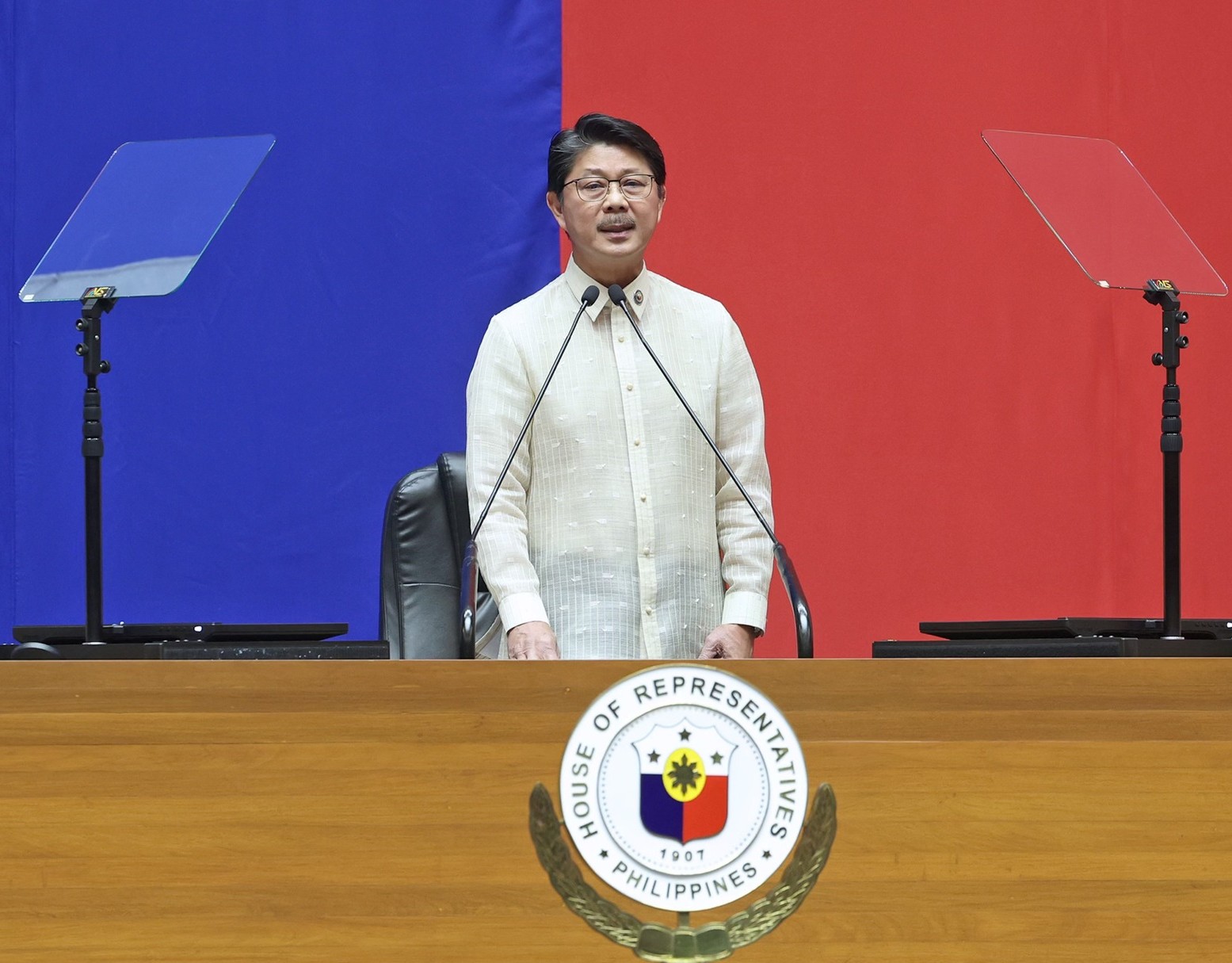
THE House of Representatives on Tuesday approved on second reading House Bill No. 8418, a proposed measure authorizing Ferdinand R. Marcos Jr. to temporarily suspend or reduce excise taxes on petroleum products in response to surging global oil prices driven by escalating tensions in the Middle East.
The measure, principally authored by Speaker Faustino “Bojie” G. Dy III and House Majority Leader Ferdinand Alexander “Sandro” A. Marcos, seeks to give the President authority to suspend fuel excise taxes during national or global economic emergencies to prevent sharp increases in pump prices, electricity rates and transportation fares.
The bill was sponsored on the floor by Marikina City Rep. Miro Quimbo, chair of the House Committee on Ways and Means, who warned that the recent spike in global crude prices is already placing heavy pressure on Filipino households.
“This demonstrates the challenge we are facing—a global tremor with aftershocks hitting home and placing heavier pressure on Filipino families already struggling to stay afloat,” Quimbo said.
The lawmaker noted that the substitute measure carries particular weight because it was principally authored by Speaker Dy and Majority Leader Marcos.
“Given the challenge we are facing, we cannot afford any delay in passing this legislation that empowers the President to suspend excise taxes on fuel,” Quimbo said.
“This urgency is underscored by the fact that Speaker Bojie Dy and
Majority Leader Sandro Marcos themselves have principally authored the measure before us.”
Quimbo stressed that Congress must act swiftly to empower the President to respond to extraordinary price spikes.
“Ang pagsuspinde ng excise tax sa langis ang unang hakbang na kailangan nating gawin upang maibsan ang biglaang pagtaas ng presyo ng langis. Totoo, may kaakibat itong sakripisyo. Bababa ang pondo ng gobyerno. Ngunit ang sakripisyong ito ay para sa kapakanan ng mga mamamayan at ng ating ekonomiya,” he said.
He warned that failure to act could lead to broader economic strain, noting that higher fuel prices could trigger increases in electricity rates and commuter fares.
“This is a necessary step to extend a lifeline to the middle class, to our workers, and to the poor — the backbone of our nation,” Quimbo said.
Under the approved measure, the President may suspend or reduce excise taxes on petroleum products upon the recommendation of the Development Budget Coordination Committee, in coordination with the Department of Energy.
The authority may be exercised if the average Dubai crude oil price based on the Mean of Platts Singapore reaches or exceeds $80 per barrel for one month immediately preceding the suspension order, or if the President declares a national emergency or calamity resulting in extraordinary increases in domestic fuel prices.
Any suspension will be effective for up to six months and may be extended for a maximum aggregate period of one year, subject to congressional action. The authority granted to the President will remain in effect until Dec. 31, 2028.
The bill also requires the President, through the finance secretary, to submit a report to Congress within 15 days from issuing the suspension order and every month thereafter detailing the basis for the move, the estimated foregone revenues and the expected impact on inflation, fuel prices and economic activity.
About the Author