MORE Filipino farmers are expected to gain access to land ownership, debt relief and legal assistance under the proposed ₱16.935-billion budget of the Department of Agrarian Reform (DAR) for 2027.
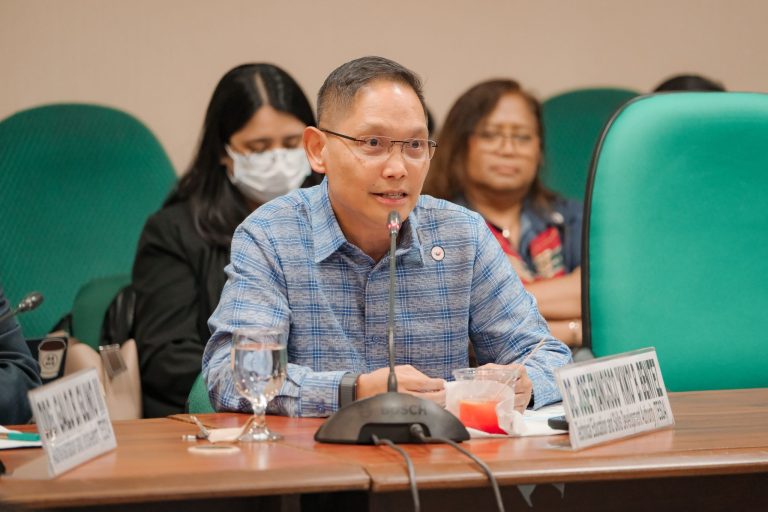
Appropriations Vice Chair and Isabela 3rd District Rep. Ian Paul L. Dy said the proposed funding will prioritize land distribution, agrarian debt relief, legal services and support programs designed to improve the livelihood and productivity of agrarian reform beneficiaries.
The proposed allocation includes ₱2.24 billion in automatic appropriations and is 6.75% lower than DAR’s current-year budget.
Under the Marcos administration, DAR has distributed 410,179 land titles covering 556,088 hectares and benefiting 376,738 Agrarian Reform Beneficiaries (ARBs) from July 2022 to August 12, 2026.
Land distribution also accelerated significantly, with titles rising from 69,897 in 2023 to 102,536 in 2024 and a record 199,838 in 2025.
From January 1 to August 12 this year, DAR distributed another 16,032 land titles covering 23,574 hectares and benefiting 14,023 ARBs.
The 2027 budget will also support the implementation of the New Agrarian Emancipation Act, which provides debt relief to qualified agrarian reform beneficiaries for debts incurred in acquiring agricultural land.
As of August 12, DAR had issued 703,047 Certificates of Condonation and Release of Mortgage covering 901,246 hectares and wiping out ₱54.702 billion in unpaid principal, interest and surcharges.
Dy said the 2027 funding will be crucial as the government moves toward its target of completing land distribution under the agrarian reform program by 2028.
“Every peso allocated in this budget directly fuels title generation, debt emancipation, legal resolution, and agricultural productivity,” Dy said.
Beyond land distribution, DAR is also set to strengthen support services for ARBs and Agrarian Reform Beneficiary Organizations (ARBOs) to help them become more productive and sustainable agricultural entrepreneurs.
The programs are intended to improve their ability to compete in both domestic and international markets.
Dy described agrarian reform as more than a government administrative program, saying it is also aimed at providing farmers with land security, legal protection and greater economic opportunities.
Meanwhile, the House is scrutinizing the DAR allocation to determine whether government spending directly benefits farmers and helps turn land ownership into sustainable livelihood opportunities.
About the Author