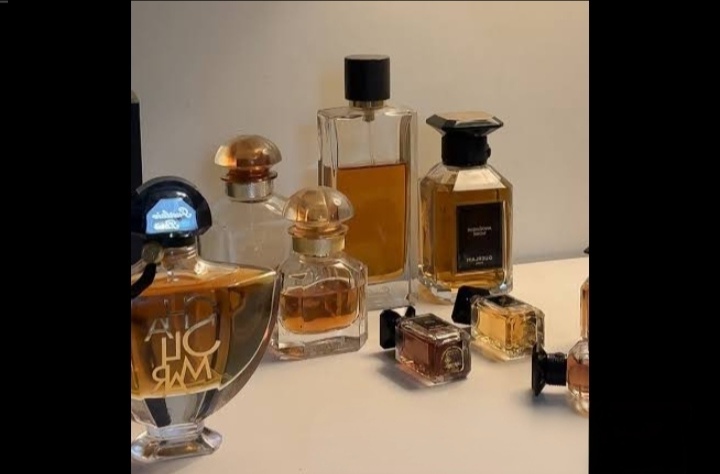
THE EcoWaste Coalition has warned the public this Father’s Day to avoid purchasing and giving away perfumes and other personal care products that may contain butylphenyl methylpropional (BMHCA), a synthetic fragrance ingredient banned in several countries due to its potential health risks.
The group urged families, especially wives and children, to be cautious when choosing gifts for their fathers or husbands, noting that some perfumes in the market may still contain the prohibited chemical despite existing bans.
BMHCA, also known as p-BMHCA, lilial, lily aldehyde, lysmeral, or 2-(4-tert-butylbenzyl) propionaldehyde, is prohibited under the European Union Cosmetic Products Regulation and the ASEAN Cosmetic Directive.
The ban took effect in the European Union in 2022 and in ASEAN countries in 2024 through FDA Circular No. 2023-007.
Despite these restrictions, EcoWaste Coalition said it continues to detect the presence of BMHCA in some perfumes being sold in the market, particularly imitation, “copycat,” or Class A versions of popular brands.
In a sampling conducted in February 2025, the group reportedly identified 35 perfume products priced between ₱75 and ₱300 containing the banned chemical.
A follow-up inspection on June 19 found that some similar products were still being sold in Binondo, Manila.
Among the products cited were imitation perfumes carrying names associated with popular brands such as Bulgari, Calvin Klein, Chanel, Clinique, Davidoff, Escada, Eternity, Lacoste, Salvatore Ferragamo, and Versace.
According to the European Union classification, BMHCA is considered a “reproductive toxicant,” a substance that may affect fertility and reproductive health in both men and women.
Exposure may occur through skin contact or inhalation.
The EU also warned that the chemical may pose risks to reproductive health and fetal development, particularly among pregnant women, women of childbearing age, and couples planning to have children.
EcoWaste Coalition added that BMHCA may also be found in other men’s personal care products such as deodorants, facial washes, hair care products, and skin tonics.
The group advised consumers to carefully check product labels, choose FDA-authorized products, and avoid items that list BMHCA as an ingredient or may conceal it under the general term “fragrance.”
About the Author