SENATE President Win Gatchalian urged the Department of Health (DOH) to overhaul its vaccine inventory and distribution systems, warning that low childhood immunization coverage and millions of pesos in wasted vaccines are undermining efforts to protect children during the critical First 1,000 Days of life.
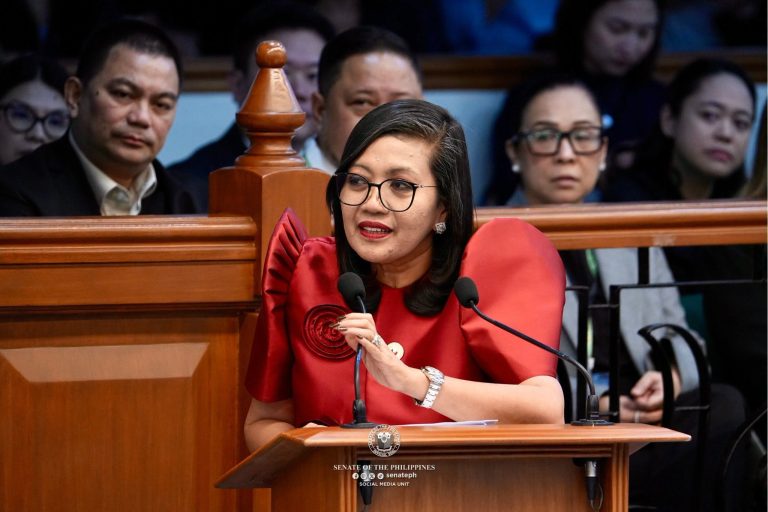
Gatchalian, a commissioner of the Second Congressional Commission on Education (EDCOM 2), raised the concern during the Senate Committee on Finance hearing on the proposed 2027 national budget, noting that increased government spending on healthcare has yet to translate into significant gains in childhood immunization.
The National Immunization Program (NIP) budget has increased to P7.9 billion, while procurement for routine vaccines for children in their First 1,000 Days nearly doubled from P2.56 billion in 2023 to P4.93 billion in 2025.
Despite the higher allocations, the national Fully Immunized Child (FIC) coverage has remained at only 60% to 65% over the past five years, leaving roughly 35% of infants vulnerable to vaccine-preventable diseases.
“Despite the increase in budget, nakikita namin na ‘yung coverage is only 65%,” Gatchalian said, stressing that immunization during the First 1,000 Days should be treated as non-negotiable.
He also linked early childhood health and nutrition directly to the country’s efforts to address its education crisis, warning that children who enter school already suffering from chronic undernutrition may face long-term developmental and learning disadvantages.
The concern comes amid worsening child nutrition indicators. The DOST-Food and Nutrition Research Institute reported in June that the country’s stunting rate increased from 23.6% in 2023 to 25.3% in 2025, the first increase recorded in a decade.
P590.3M in vaccines wasted
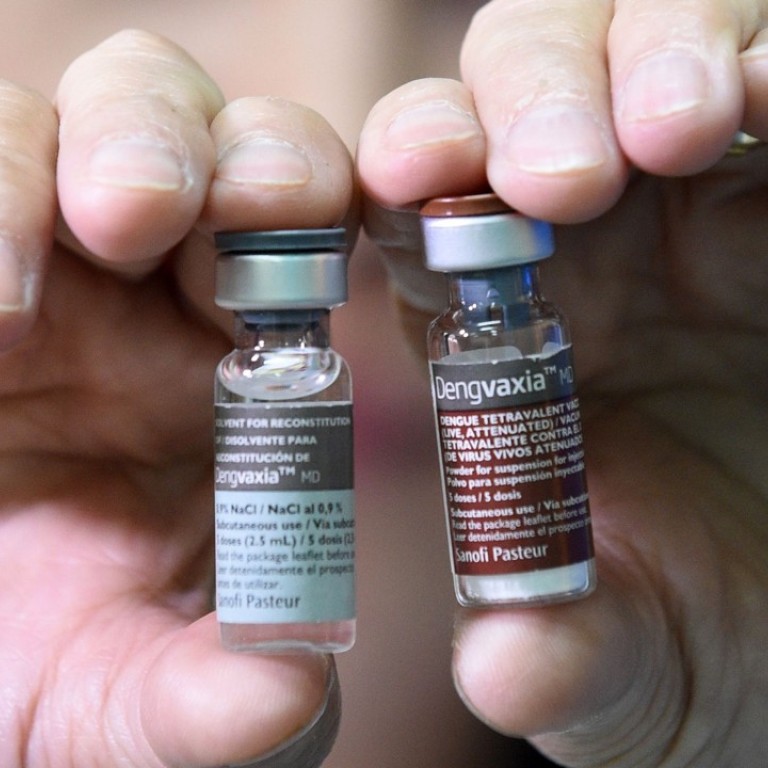
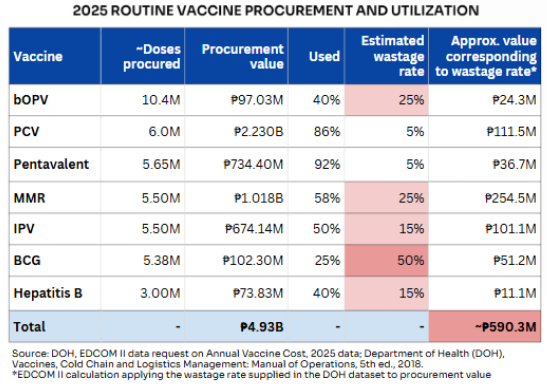
Gatchalian also flagged an estimated P590.3 million worth of vaccines wasted in 2025, based on DOH wastage benchmarks and procurement costs.
Among the reported losses were approximately P51.2 million worth of BCG vaccines, based on a benchmarked 50% wastage rate, and about P254.5 million worth of measles, mumps and rubella (MMR) vaccines, based on a 25% wastage rate.
Gatchalian said the losses were particularly troubling because they occurred alongside low immunization coverage, arguing that better inventory management could allow more vaccines to reach children who need them.
“Only 60% of [children in their] First 1,000 Days ang nabibigyan ng immunization, and yet maraming wastage ang nangyayari,” Gatchalian said, adding that reducing wastage could help expand immunization coverage.
He identified inventory management as a key problem that the DOH needs to address.
DOH reform plan
DOH Secretary Edwin Mendoza acknowledged the inventory management bottlenecks and outlined plans to overhaul the agency’s system for tracking and delivering vaccines and other health commodities.
Mendoza said the department is working to identify and monitor children much earlier, including during pregnancy, through expanded primary healthcare services and greater integration with PhilHealth databases.
He said the approach aims to link maternal care, newborn services, immunization and nutrition programs throughout the First 1,000 Days to improve vaccination coverage and reduce childhood stunting before children reach preschool.
The health chief also committed to improving the DOH’s distribution and inventory tracking system so that essential health commodities reach municipal health centers on time.
Mendoza acknowledged that the existing system is outdated and said monitoring must extend beyond regional offices to the community level and the actual delivery of services.
Gatchalian, meanwhile, urged the DOH to bring vaccines directly to municipal health centers and empower Barangay Health Workers to conduct proactive house-to-house vaccination efforts, particularly in communities where access to health services remains a challenge.
He said strengthening immunization and nutrition interventions before children enter school is crucial to preventing health problems from becoming barriers to learning later in life.
About the Author