THE House of Representatives has finalized its decision to cut the budget of the Office of the Vice President (OVP) by P1.3 billion, reallocating the funds to the Department of Social Welfare and Development (DSWD) and the Department of Health (DOH).
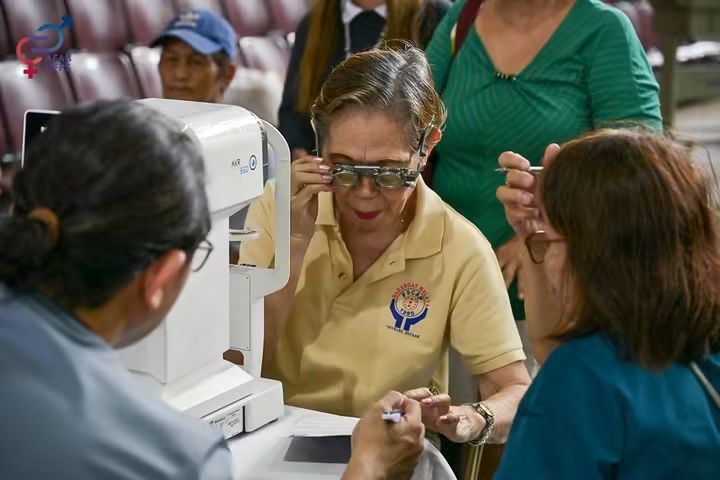
Appropriations committee chair and Ako Bicol Party-list Rep. Zaldy Co confirmed that the small committee responsible for introducing individual and institutional amendments to the 2025 General Appropriations Bill (GAB) had reallocated the P1.3 billion cut to two agencies. A total of P646.5 million will now bolster DSWD’s Assistance to Individuals in Crisis Situations (AICS) program, while another P646.5 million will support the DOH’s Medical Assistance for Indigent and Financially Incapacitated Patients (MAIFIP) program.
Earlier, the House appropriations committee and the entire House agreed to reduce Vice President Sara Duterte’s 2025 budget from P2.037 billion to P733.198 million. Lawmakers cited overlapping functions between the OVP and other agencies like the DSWD and DOH, which contributed to redundant expenses.
Co said the realignment will result in significant savings, particularly concerning the OVP’s rental expenditures. In 2023, the OVP spent P53 million on leasing 10 satellite offices and two extension offices nationwide. This was a steep increase from the P4.1 million annually spent on office rentals during the term of former Vice President Leni Robredo.
“These satellite offices are performing functions that should fall under existing government agencies, leading to unnecessary duplication and higher costs,” Co explained.
He added that some of these offices, which are only manned by a few individuals, are often used for political rather than social service purposes.
“By eliminating redundant roles, government can save as much as P1.3 billion, which constitutes a significant portion of the OVP’s proposed P2.037 billion budget for 2025. The House believes this amount could be more effectively allocated to existing agencies, enabling them to extend their services to the public more efficiently,” Co stressed.
While the OVP has reported serving over 1.5 million beneficiaries through its medical, burial, and relief programs as of August 31, 2024, Co noted that these services could be more efficiently managed by agencies with dedicated resources and expertise.
“Consolidating these responsibilities under the appropriate departments would not only eliminate costs associated with maintaining satellite offices but also streamline service delivery, reducing administrative overlap and minimizing confusion among beneficiaries,” he added.
Co also said the Commission on Audit (COA) has recommended a thorough review of the OVP’s functions and expenditures to assess the necessity of maintaining these satellite offices.
“As the government faces increasing pressure to adopt more fiscally responsible practices, reducing the OVP’s redundant spending could be a key step toward ensuring more efficient governance,” the Bicolano lawmaker concluded.
About the Author