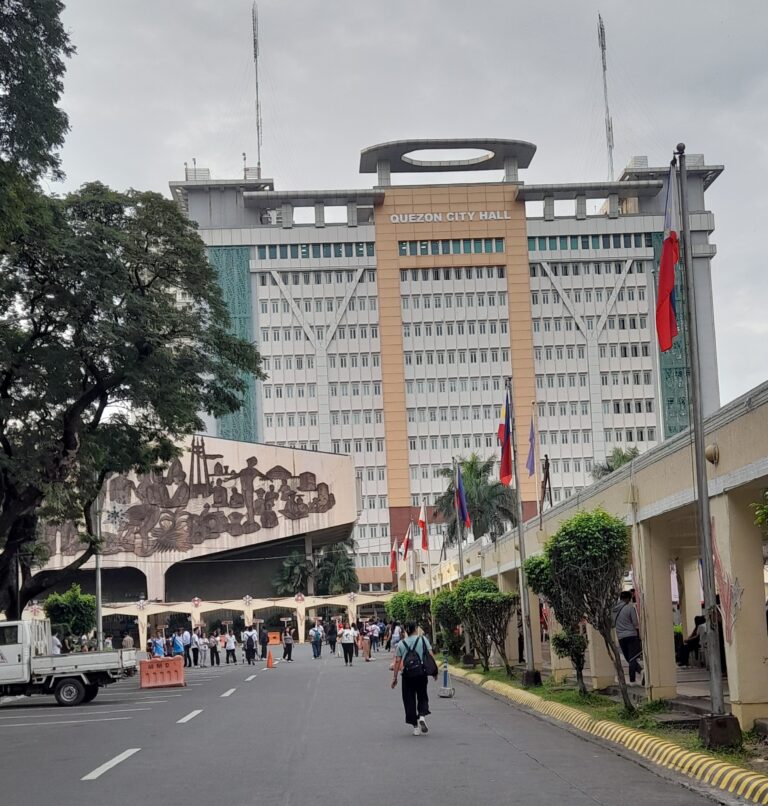
IN a proactive move towards ensuring precision in fuel dispensing practices, the Department of Science and Technology (DOST) CALABARZON, through the Provincial Science and Technology Office (PSTO) Cavite, conducted a training on the Verification of Fuel Dispensing Pumps. This insightful event took place at Revilla Hall, New Bacoor City Hall, Brgy. Bayanan, City of Bacoor on December 5, 2023.
Attended by Municipal and City Treasurers representing 22 Local Government Units (LGUs) of Cavite, the primary objective of the training was to empower these officials with the necessary skills for the proper calibration of measuring instruments associated with fuel dispensing stations. The initiative aligns with the directives outlined in the DOE Department Circular No. DC 2017-11-0011, specifically Rule VI Section 23, which mandates the mandatory calibration and sealing of dispensing pumps every 90 days.
According to the circular, dispensing pumps used in retail outlets must undergo proper calibration and subsequent sealing by authorized entities. Under Section 24, these authorized calibrating entities are identified as the City or Municipal Treasurer and the DOST-National Metrology Laboratory (NML).
The training received a touch of distinction with the warm welcome remarks from Atty. Edith C. Napalan, City Treasurer of Bacoor. Leading the charge was Engr. Brigido K. Casanova, Science Research Specialist II and Laboratory Head of DOST Batangas-Regional Volumetric Calibration Laboratory (RVCL) and assisted by Mr. Mark Anthony B. Acidella, PTA VI of DOST- Cavite. The training, attended by a total of 66 participants, commenced with an introduction to DOST-RVCL and the mandates of DOST in the calibration and verification of measuring instruments used in petroleum products.
The participants delved into the history, requirements, and components of fuel dispensers, covering topics such as preparation, preconditioning, regulatory tests such as electronic display, zero setting, price computing, nozzle cut-off, to name a few, and metrological controls during verification. Emphasizing the importance of compliance, Engr. Casanova stressed that fuel dispensers must pass all tests, and the verification sticker must remain untampered.
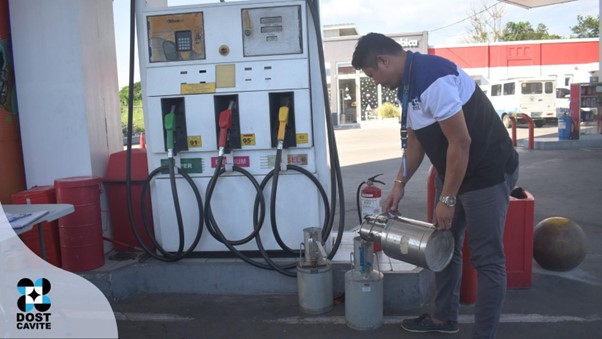
A crucial part of the training involved the verification of fuel dispensers at identified gas stations in Bacoor, Cavite. Engr. Casanova provided a hands-on demonstration of the fuel dispenser parts, proper verification techniques, and the correct method of completing the sample data sheet. Participants were also given the opportunity to actively engage in the verification process.
The successful culmination of this training signifies a significant stride towards promoting accuracy and fairness in fuel dispensing practices in LGU-Bacoor and its neighboring areas in Cavite. The dedication of the participants, coupled with the support from DOST Cavite and DOST Batangas, contributes to the overarching goals of ensuring consumer protection and fostering fair competition in the fuel industry.
About the Author