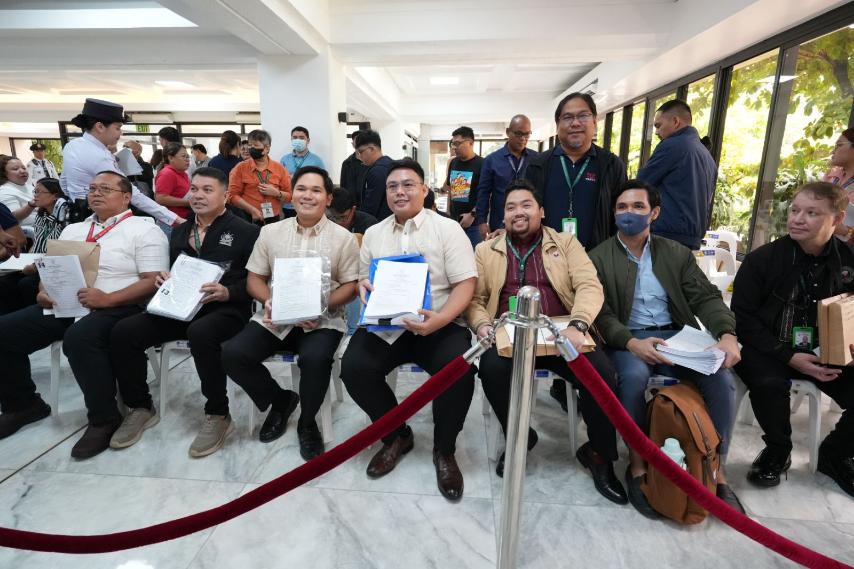
INCOMING lawmakers of the 20th Congress wasted no time as they filed a total of 683 legislative measures at the House of Representatives on Monday, the first official day of bill filing.
The initial batch of proposals included 666 House Bills (HBs), 16 resolutions, and one joint resolution, signaling a proactive start to the legislative session.
Leyte Representative Ferdinand Martin G. Romualdez, who served as Speaker in the 19th Congress, led the charge with the filing of the first five legislative proposals, recorded as House Bills 1 to 5.
HB 1 or the proposed “Rice Industry and Consumer Empowerment (RICE) Act,” seeks to restore the National Food Authority’s (NFA) regulatory powers to lower rice prices and protect farmers, in support of President Marcos Jr.’s push to ensure affordable food and strengthen local agriculture.
The other bills he filed sought to to exempt Overseas Filipino Workers’ (OFWs) from paying premium contributions to the Philippine Health Insurance Corporation (PhilHealth), create the Philippine Centers for Disease Prevention and Control (CDC) as the lead agency in developing and implementing disease prevention and control initiatives, update on the private school educational assistance and creation of Eastern Visayas Development Authority.
Tingog Party-list Reps. Andrew Julian Romualdez and Jude Acidre were listed as co-authors of the five bills.
Neophyte Valenzuela City Rep. Gerald Cloyd Alexis Galang filed seven bills, including House Bill 154, or the proposed “Magna Carta for Senior Citizens,” HB 155 or the proposed “Social Pension of Senior Citizens Act” and HB 156, which seeks to amend the qualifications under Republic Act 11768 or the “Sangguniang Kabataan Reform Act of 2015.”
Returning Parañaque City Rep. Eric Olivarez also filed 10 measures on the first day, including HB 144 establishing the Philippine CDC similar to Speaker Romualdez’s proposal, HB 148 exempting senior citizens from paying parking fees in commercial establishments and government buildings, and HB 150 exempting persons with disabilities and senior citizens from paying travel tax.
About the Author