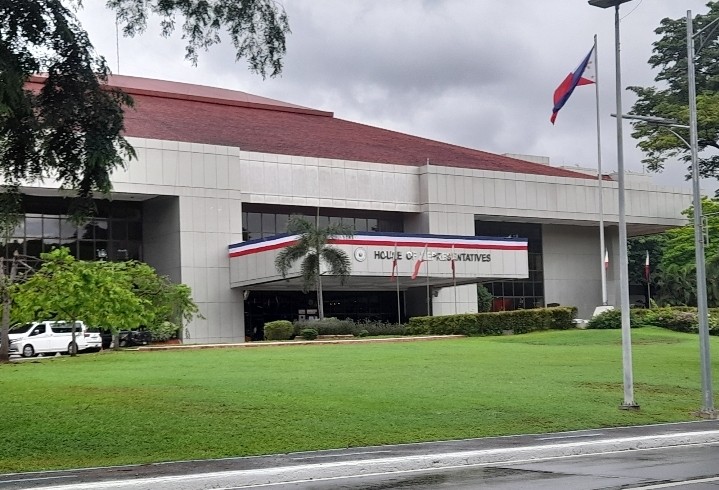
THE House of Representatives has logged one of the most productive sessions in its history, with a total of 13,867 measures filed and 280 landmark laws enacted under the leadership of Speaker Ferdinand Martin G. Romualdez.
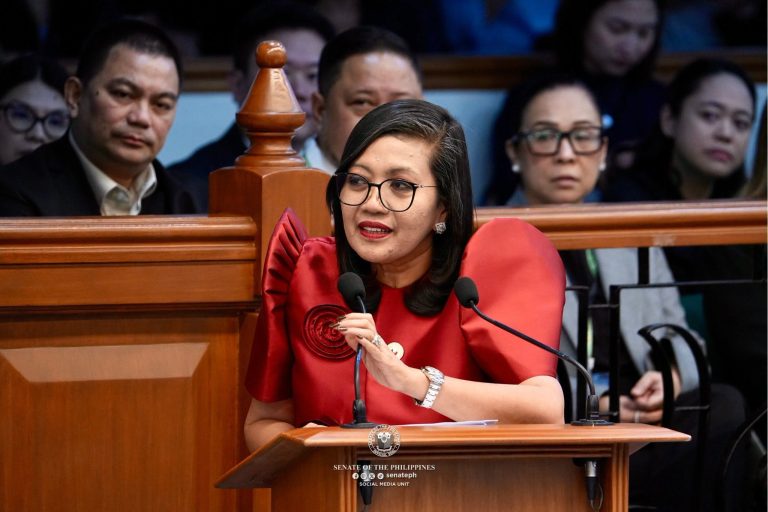
“For the 19th Congress under the leadership of Speaker Martin Romualdez, I’m happy to report that the House of Representatives is now one of the most productive Congress in history,” said House spokesperson Atty. Princess T. Abante said in a press conference.
According to Abante, the chamber received 11,506 House bills and 2,361 resolutions. Out of these, 347 resolutions were adopted, and 1,493 measures were approved by the House – 280 of which have already been signed into law.
The House of Representatives also has already approved on final reading 27 of the 28 LEDAC-endorsed priority bills. In addition, under the broader Common Legislative Agenda (CLA), the chamber successfully approved 61 out of 64 measures.
These figures underscore the House’s efficiency and alignment with the administration’s development goals.
“Unfortunately, 739 are still pending before the Senate of the Philippines for their approval on third reading,” Abante said.
“These are not ordinary bills – they are urgent reforms sought by sectors across the country. They are solutions to the most pressing challenges faced by Filipino families, workers, students, seniors and OFWs,” she said.
Among the stalled measures are critical bills for social welfare and senior citizens, such as the Universal Social Pension for All Senior Citizens and Expanded Employment Opportunities for Seniors. Also included is the Magna Carta for Informal Ambulant Vendors, which aims to protect small livelihoods nationwide.
In the digital services sector, the House passed measures for Cheaper and More Accessible Internet, especially for public schools and underserved barangays. Also awaiting Senate action is the Public Telecom Refund Act and the bill allowing Digital Voting for Seniors, PWDs, and frontliners.
For job creation and worker protection, measures such as the Magna Carta for Freelancers, Mandatory Insurance for Line Workers, and Tripartite Council Against Job Mismatch are among those still pending. Expanded protections against discrimination in the workplace also await third reading approval.
Health and education-related bills such as the Philippine CDC, mental health services in SUCs, and a voucher system for poor but deserving students in private colleges are also in the Senate’s queue.
For OFWs and migrant workers, the House passed the OFW Remittance Protection Law, the expansion of legal aid funds for OFWs, and the OFW Hospital Institutionalization Act – all still pending Senate approval.
Environmental and housing-related reforms like the National Land Use Act, Balanced Housing Reform Law, and Green Public Procurement Act are part of the 739 measures.
Also still waiting in the upper chamber are critical bills on local transport and disaster response, including the Magna Carta for Tricycle Drivers and Operators, Free Freight of Relief Goods Act, and Rightsizing the Bureaucracy.
“The House has already passed 1,493 measures – 739 of them are still waiting in the Senate. These aren’t just bills. These are pensions, internet, jobs, housing and protection for every Filipino,” said Abante.
About the Author