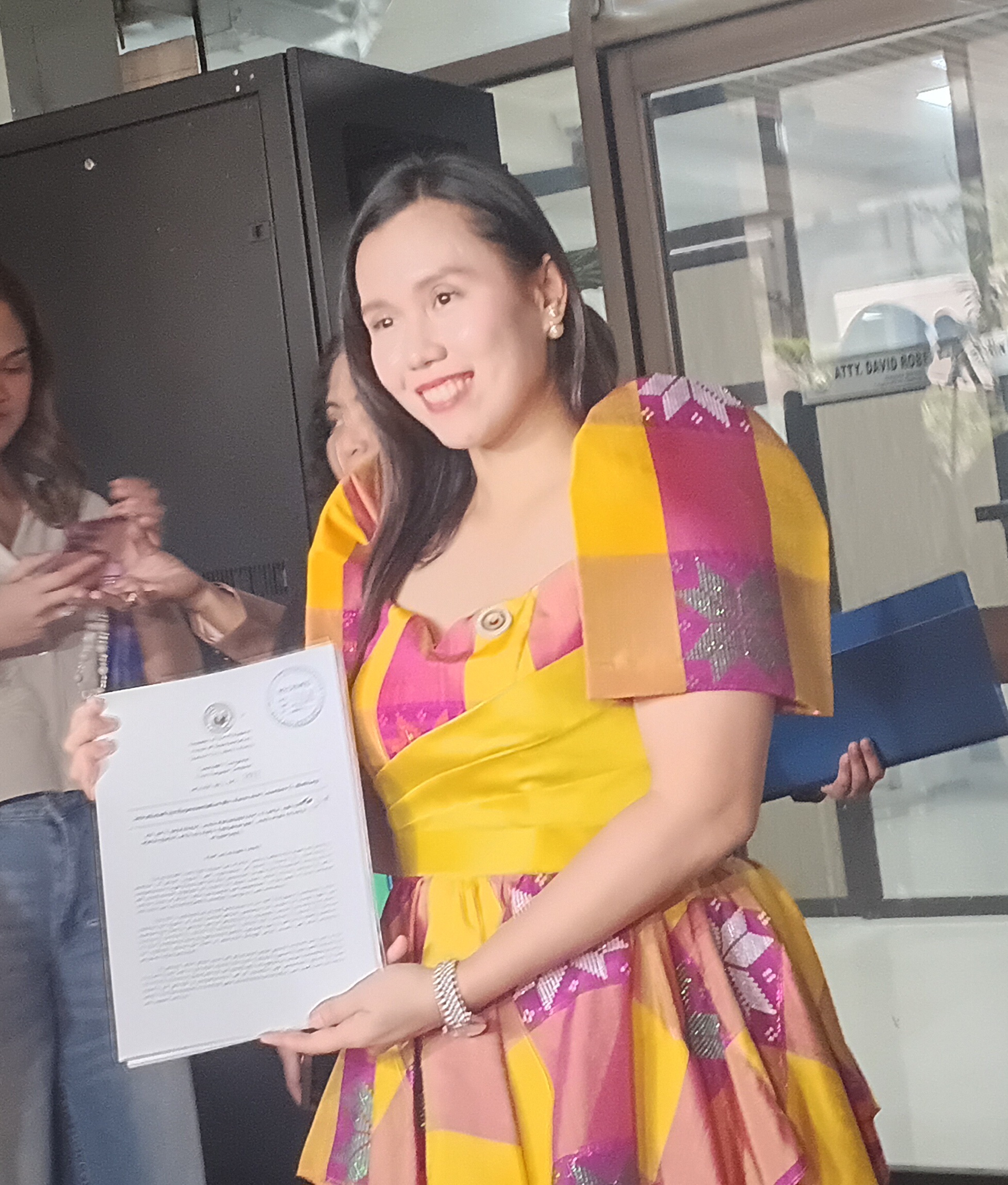
LAGUNA 1st District Representative Ann Matibag has filed a measure in the House of Representatives aimed at protecting senior citizens from abuse, neglect, and exploitation — a growing concern she described as “urgent and disturbing.”
Filed during the early session of the 20th Congress, the proposed bill was inspired by the widely reported case of Cita N. Rodriguez, an 89-year-old philanthropist and retired accountant from Pampanga. Rodriguez’s plight gained national attention after reports alleged that her own niece exploited her declining mental faculties to seize control of her finances and properties — eventually isolating her and reducing her to a pauper’s state.
“Tita Cita’s case was not an isolated one,” Matibag said. “It is part of a larger, more disturbing pattern of elder abuse — one that our current legal system is ill-equipped to confront.”
At present, elder abuse in the Philippines is prosecuted under general laws such as the Revised Penal Code or, in cases involving women, the Anti-Violence Against Women and Children Act (RA 9262). However, Matibag emphasized that these laws are insufficient to address the distinct vulnerabilities of the elderly.
“Today, elder abuse cases are squeezed into existing laws. While these frameworks are important, they don’t take into account the unique risks and realities faced by our aging population,” she said.
Her proposed measure seeks to:
Standardize legal definitions and remedies for elder abuse,
Enhance mechanisms for prevention, reporting, and prosecution,
And institutionalize support services including legal aid, medical care, and protective custody for victims.
The bill is grounded in the 1987 Constitution, which affirms the dignity of every person, ensures full respect for human rights, and mandates special protection for vulnerable sectors, including the elderly. It also reinforces the role of the State in supplementing the family’s duty to care for senior citizens — especially in cases where the family becomes the source of harm.
Matibag called for bipartisan support and encouraged the Commission on Human Rights (CHR), senior citizens’ groups, and elder rights advocates to back the legislation.
“Let this bill not just be my measure, but our shared commitment,” she said. “Let us show that our respect for the elderly goes beyond cultural gestures like mano po. Let us give them not only the honor they deserve — but the protection they urgently need.”
The measure is expected to be referred to the appropriate House committee in the coming weeks for further deliberation.
About the Author