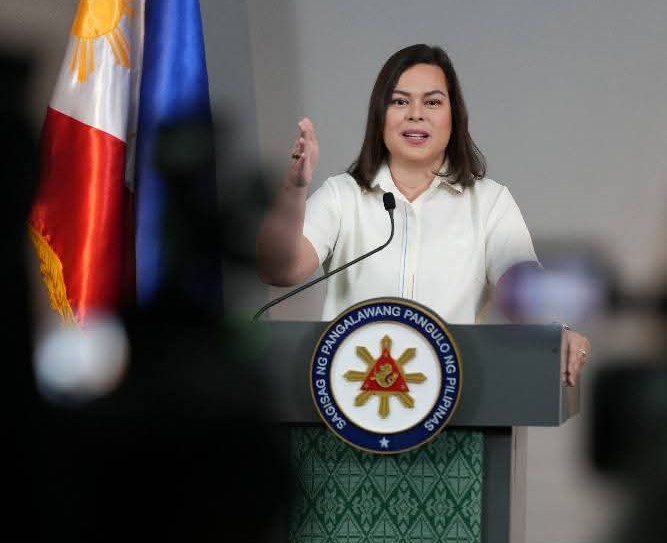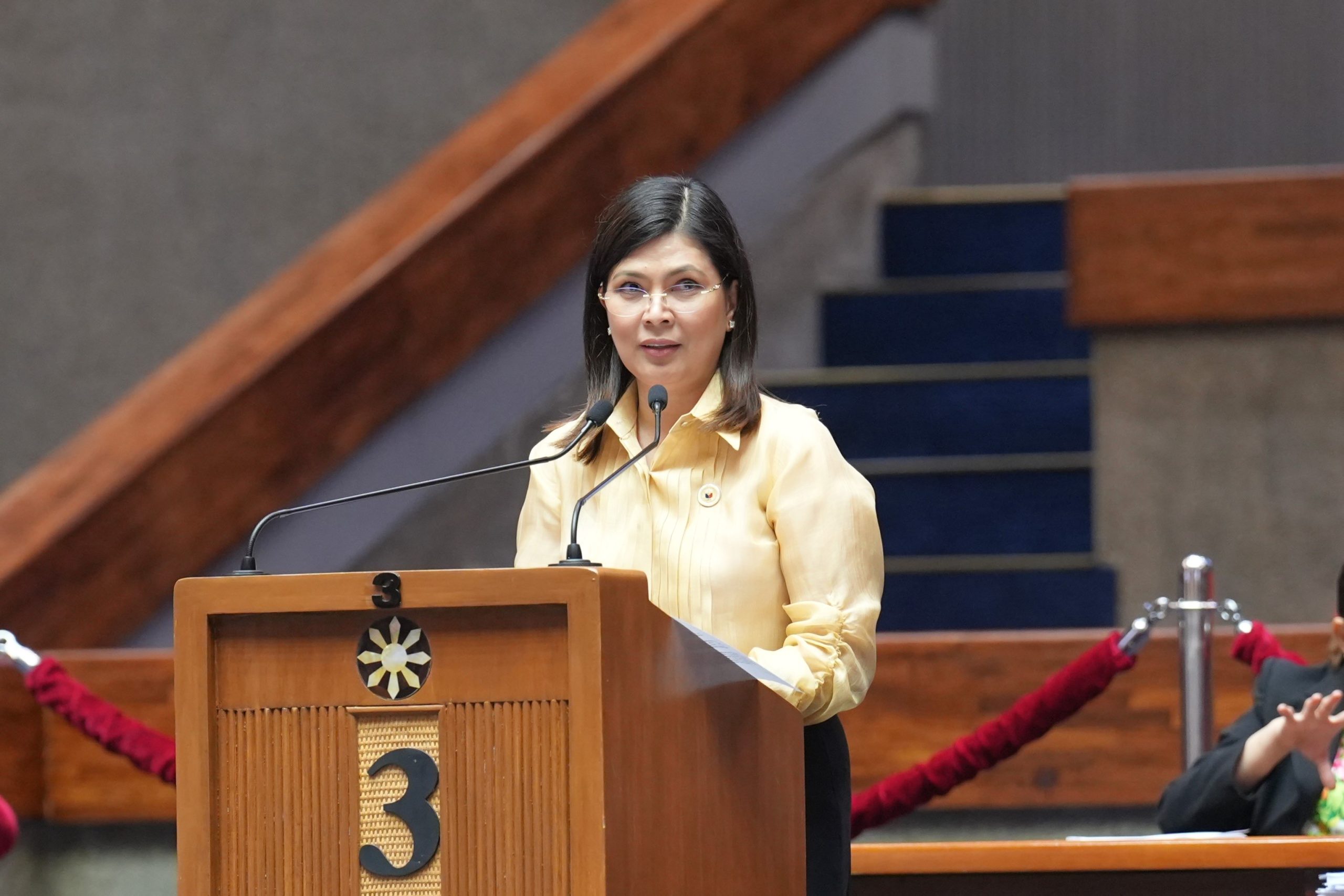
CAVITE Representative Lani Mercado-Revilla has urged Congress to adopt a comprehensive slate of reforms aimed at easing the growing financial strain on the Filipino middle class, which she described as the backbone of the economy yet among the most heavily taxed and least supported sectors.
In a privilege speech Tuesday, Revilla has called for an immediate review of the TRAIN Law to explore options for lowering personal income taxes, noting that middle-income earners deserve higher take-home pay and relief from the heavy tax load they shoulder.
She stressed that allowing families to retain more of their hard-earned income would help them manage rising living costs while also stimulating consumption and strengthening overall economic activity.
She also urged Congress to reassess the impact of the Expanded Value-Added Tax (EVAT), pointing out that middle-class families are effectively “taxed twice”—first through withholding tax and again through consumption tax on basic goods and services. A typical family spending ₱20,000 a month on taxable goods pays nearly ₱2,400 in VAT, or close to ₱28,800 a year, an amount that could have gone to savings, education, or emergency needs, Revilla noted.
Revilla further pressed for reforms in electricity charges, calling the system loss fee an “unfair hidden tax” that forces consumers to pay for energy they did not actually use. She urged amendments to RA 7832 so that families are no longer burdened by costs arising from inefficiencies in the power distribution system.
High electricity bills, she said, have become an added pressure on households already stretched thin by inflation, rent, food, transportation, and utilities.
She likewise highlighted the urgent need to improve access to affordable healthcare. With 64 percent of Filipinos unable to cover even a ₱10,000 hospital bill without borrowing, Revilla stressed that many middle-class families are “one illness away” from financial distress.
She noted that unlike indigent households, middle-income earners often do not qualify for government medical aid yet also lack the safety nets enjoyed by workers with employer-provided HMOs.
Revilla also pushed for long-term solutions such as expanding affordable housing options and strengthening public transportation systems, both of which have a direct impact on the daily expenses of working families. She warned that without intervention, the middle class will continue to face increasing vulnerability, especially during economic shocks and natural calamities.
She expressed concern as well over the 20 percent tax on bank deposits, saying it discourages saving and penalizes families trying to build financial security. For households already struggling to accumulate emergency funds, such policies, she said, only deepen their vulnerability.
Revilla has also urged the House to initiate a multi-committee investigation and national consultation to craft a coordinated middle-class relief package. She emphasized that the goal is to design responsive, long-term policies that address excessive taxation, high living costs, and the absence of safety nets for millions of Filipino working families.
“These reforms are essential if we want to secure the stability of our households and keep the middle class from sliding into poverty,” Revilla said. “If we are serious about achieving a predominantly middle-class society under AmBisyon Natin 2040, we must begin by easing the burdens carried by those who keep our economy running every single day.”
About the Author