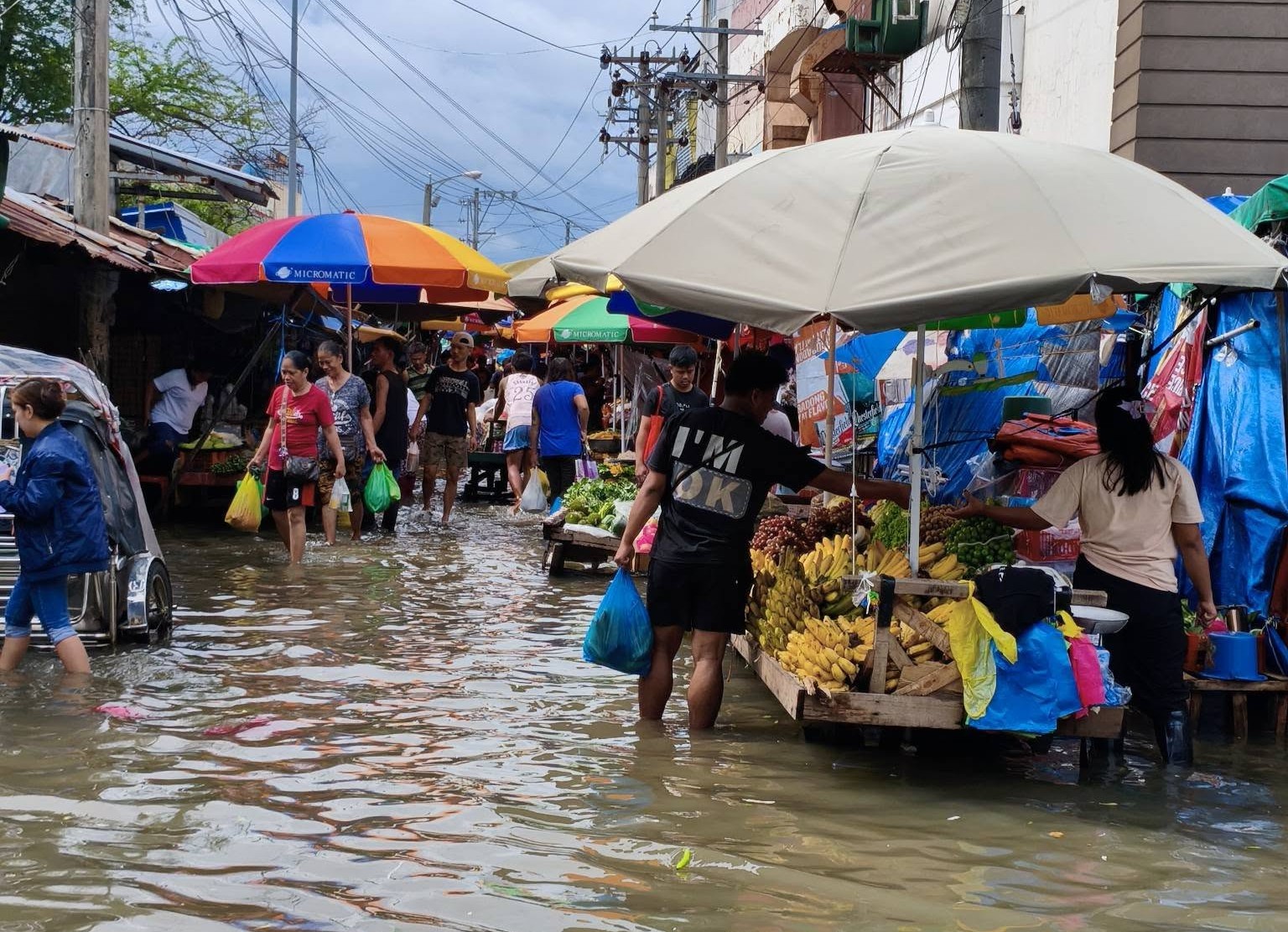
DEPARTMENT of Health (DOH) – Ilocos Region is again reminding residents across the region to take precautionary measures against leptospirosis, particularly following flooding and prolonged rains.
Leptospirosis is a potentially serious bacterial infection that may be acquired through contact with floodwater or soil contaminated with the urine of infected animals, particularly rats. The risk is higher when contaminated water enters cuts, wounds, or other openings in the skin.
The public is strongly advised to avoid wading, swimming, or unnecessarily walking through floodwaters. Residents should also keep wounds covered and avoid exposing open cuts or broken skin to potentially contaminated water.
For those who have no choice but to pass through floodwaters, OIC-Local Health Support Division and Head of the Regional Communicable Disease Cluster Rheuel C. Bobis recommends using appropriate protective equipment, such as waterproof boots, whenever possible. After exposure, wash affected areas thoroughly with clean water and soap.
He also cautions the public not to self-medicate with doxycycline or other antibiotics after exposure to floodwater. “Doxycycline is a prescription medicine, and the need for post-exposure prophylaxis depends on the individual’s level and type of exposure. Kailangan munang magpatingin sa pinakamalapit na health center para sa proper assessment and medical advice.”
The Regional Epidemiology and Surveilance Unit (RESU), there were 85 leptospirosis cases recorded from January 1, 2026 to August 8, 2026 which is 52% lower during the same period last year with 177 cases. There are six confirmed deaths.
The province of Pangasinan has the most leptospirosis cases with 46 followed by La Union with 13, Ilocos Norte – 12, Ilocos Sur – 6 and Dagupan City with 6.
Residents should also remain alert for possible symptoms of leptospirosis that may include fever, headache, muscle or calf pain, chills, vomiting, abdominal pain, red eyes, and yellowing of the skin or eyes. Symptoms can appear days or even weeks after exposure, so individuals with a history of floodwater contact should remain vigilant and seek medical attention if symptoms develop.
The regional office further urges the public to continue following official health and safety advisories during periods of heavy rain and flooding.
About the Author