THE House prosecution team said Monday that the transfer of P500 million in confidential funds from the Office of the Vice President (OVP) to an unbonded officer strengthens the case alleging misuse of public funds against Vice President Sara Duterte.
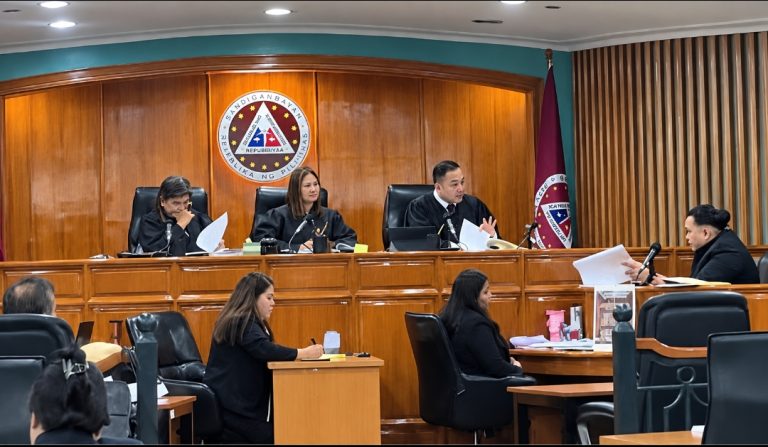
Former OVP special disbursing officer (SDO) Gina Acosta, who testified as a hostile witness, told the impeachment court that she released four tranches of P125 million each to Col. Raymund Dante Lachica from December 2022 through the third quarter of 2023.
Lachica was not covered by a fidelity bond at the time, while Acosta remained the OVP’s accountable officer. She testified that Duterte had designated Lachica to carry out the OVP’s confidential activities.
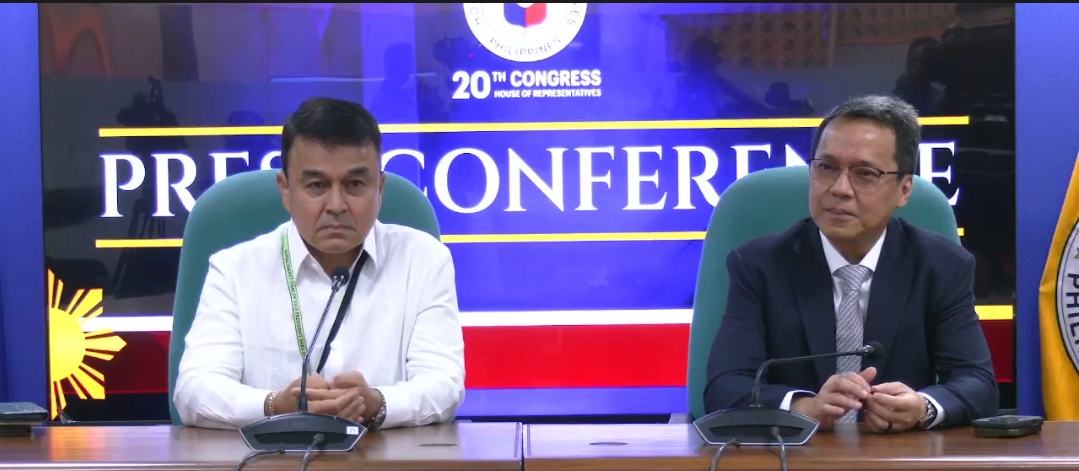
Former Surigao del Norte Rep. Ace Barbers, an adviser and spokesperson for the House prosecution team, said the manner in which the funds were released already raised serious questions about the transaction.
“The issue really is that these funds were found to have been misused,” Barbers said at a press conference, noting that the money was released to a person who was allegedly not authorized to receive or disburse it.
He said the amount involved could not be dismissed as an ordinary financial transaction.
Each release amounted to P125 million, with the four transactions totaling P500 million.
Barbers said potential violations were apparent even before the funds supposedly reached their intended recipients because the money was handed to Lachica, who was not bonded and was not the designated SDO responsible for disbursing the funds.
House prosecutor Bukidnon Rep. Jonathan Keith Flores said Acosta’s testimony had already established a key element of the prosecution’s case, even if Lachica is not ultimately called to testify.
“Whether Lachica testifies or not, it’s already admitted that Acosta did not disburse the money herself and instead gave it to Lachica,” Flores said.
Acosta, however, repeatedly acknowledged that she had no personal knowledge of how Lachica actually spent the confidential funds. She said she relied on his representations, utilization reports and supporting documents when preparing the liquidation of the funds.
The prosecution also questioned Acosta’s certifications submitted to the Commission on Audit (COA), given her admission that she did not personally know how the money was used.
The documentary trail surrounding the transactions also came under scrutiny.
Acosta testified that Lachica signed internal documents acknowledging receipt of each P125-million tranche but later retrieved the documents after the funds were liquidated. She said she no longer had copies of the acknowledgment receipts, although the transactions were reflected in her cash disbursement records.
Flores said the absence of the acknowledgment documents created another evidentiary gap because there was no duplicate copy directly showing that Lachica received and subsequently disbursed the cash.
The prosecution has not ruled out calling Lachica to testify, particularly as his name repeatedly surfaced during Acosta’s testimony.
Barbers said the prosecution panel would determine whether his testimony would be necessary and could ask the impeachment court to issue a subpoena if needed.
Flores, however, said prosecutors were also weighing the need to avoid unnecessarily prolonging the proceedings.
“We’re fighting against time also. We don’t want this trial to drag on unnecessarily long,” he said.
About the Author