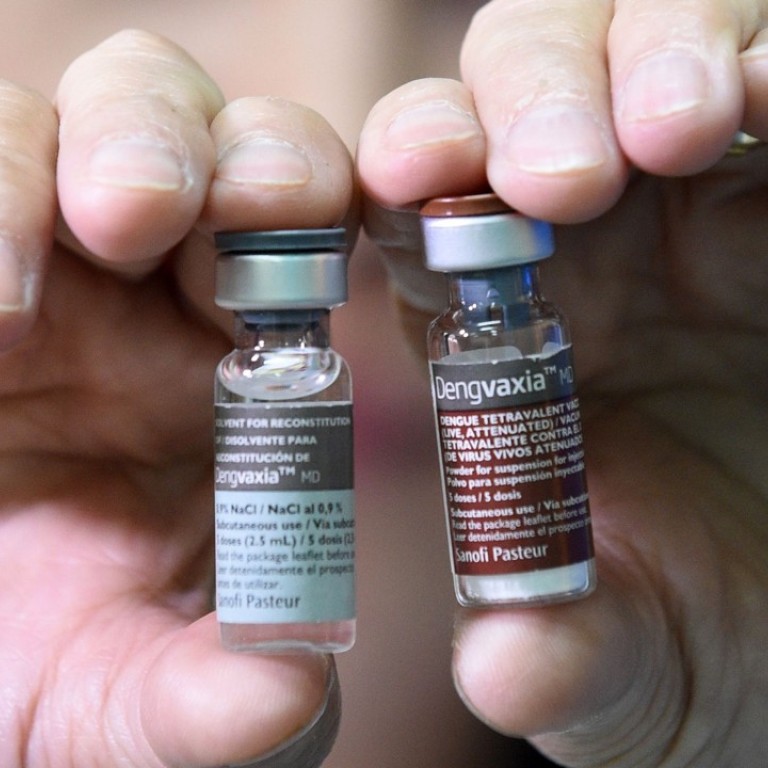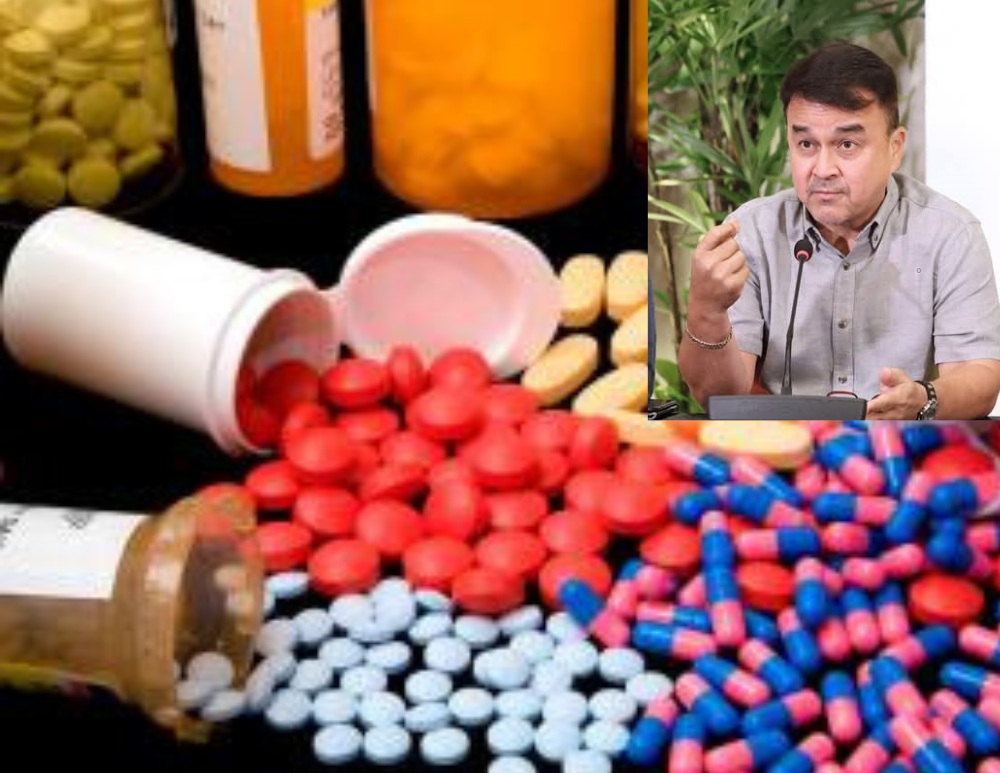
A LAWMAKER from Mindanao today called on the Food and Drug Administration (FDA) to come up with policies compelling all pharmaceutical companies, particularly the so-called “big pharma,” to put up possible “Adverse Side Effects” on the labelling and packaging of certain medicinal products they sell in the local market.
Surigao del Norte Rep. Robert Ace Barbers, lead chair of the Lower House’s Quad Committee and chairman of the House Committee on Dangerous Drugs, made the request after receiving mounting information that persons with prolonged use of “maintenance” drugs for high blood pressure and diabetes remain uncured, are getting sicker, or worse, dying.
“Marami tayong natatanggap na ulat na iyong mga taong matagal nang gumagamit ng gamot para sa high blood pressure o diabetes ay nagkakaroon na nang problema sa atay o sa kidney, at ang iba ay nagda-dialysis na,” he said. “At napaka-tahimik ng mga big pharma at mga doktor natin sa mga developments na ito hinggil sa ating kalusugan.”
If need be, or in case the FDA cannot carry it out with just a memorandum circular or administrative order, Barbers said he would draft a bill enabling the food and drugs regulatory body to compel the big pharma to put up adverse side effects label warning on certain drugs that drug experts, doctors and lawmakers would identify.
He said while hundreds of pharmaceutical drugs are available in the local market to relieve symptoms, treat medical conditions, and prevent diseases, most medications, while working to achieve their goal targets, usually do more than what they are supposed to, which is the reason for adverse side effects.
Citing medical reports, Barbers said the side effects of certain medicines can range from minor to sever, sometimes even life-threatening; and its occurrence and severity vary from person to person, depending on a person’s age, gender, BMI or body mass index and other comorbidities.
“I am no doctor nor a medical expert, pero ang malaking problema sa karamihan sa mga Filipino ngayon ay takot o ayaw magpunta sa doktor upang magpa-checkup at magpa-reseta dahil mahal ang bayad. Kaya ginagawa ng ibang may sakit ay nangongopya na lang ng gamot ng iba, partikular na iyong gamot sa high blood at diabetes,” Barbers said.
“Dito na mag-uumpisa ang kanilang health problems dahil walang nagsasabi o nagpapaliwanag ng mga posibleng adverse side effects ng gamot na kanilang iniinom, na karamihan ay maintenance drugs para sa high blood o diabetes,” he added.
The lawmaker from Mindanao said he is wondering why the medical scientists being employed by big pharma are not working out on cures on common ailments such as diabetes, high blood pressure and cancer, among others, and just focusing their inventions on alleviating pain or preventing the symptoms.
“Ang isa sa posibleng sagot dito ay ayaw nila. Dahil kapag gumaling na ang tao sa kanilang mga sakit, konti na lang ang bibili ng gamot nila. At dito ay wala na silang kita o
ganansya na umaabot sa bilyon-bilyong piso o dolyar,” he explained.
Barbers cited as reason of his call the health authorities’ policy of public warnings about the dangers of tobacco use through graphic health warnings on tobacco and nicotine product packs and the recent Department of Energy’s plan to compel car manufacturers to provide “fuel economy label” to all cars they would sell in the local market.
“Kung sa sigarilyo at sa mga sasakyan ay may ganung klaseng mga label, dapat lang siguro na meron din warning label about adverse side effects ang lahat ng mga produktong gamot, lalo na iyong mga ini-ingest natin o iniinksyon sa ating katawan. At dapat din ipaalam ng mga duktor ang mga bagay na ito sa lahat ng kanilang pasyente,” he said.
The Surigao del Norte solon said there is no need for such label for those drugs which contain warnings or medicine contraindication, a medical condition or symptom that makes a particular treatment or procedure inadvisable because it may be harmful to the person.
There are two types of contraindications: Absolute contraindication or substance or event that could cause a life-threatening situation and procedure or medicine must be avoided; and relative contraindication where caution should be used when two medicines or procedures are used together, but it is acceptable if the benefits outweigh the risk.
Among the medicines with reported adverse side effects which are easily available on the market, some can be bought over the counter (OTC) and some with doctors’ prescription, are painkillers, chemotherapy meds for different types of cancers, statin drugs for treatment of high blood pressure, antibiotics, and biguanides such as metformin for treatment of diabetes
About the Author