Nation

Nation

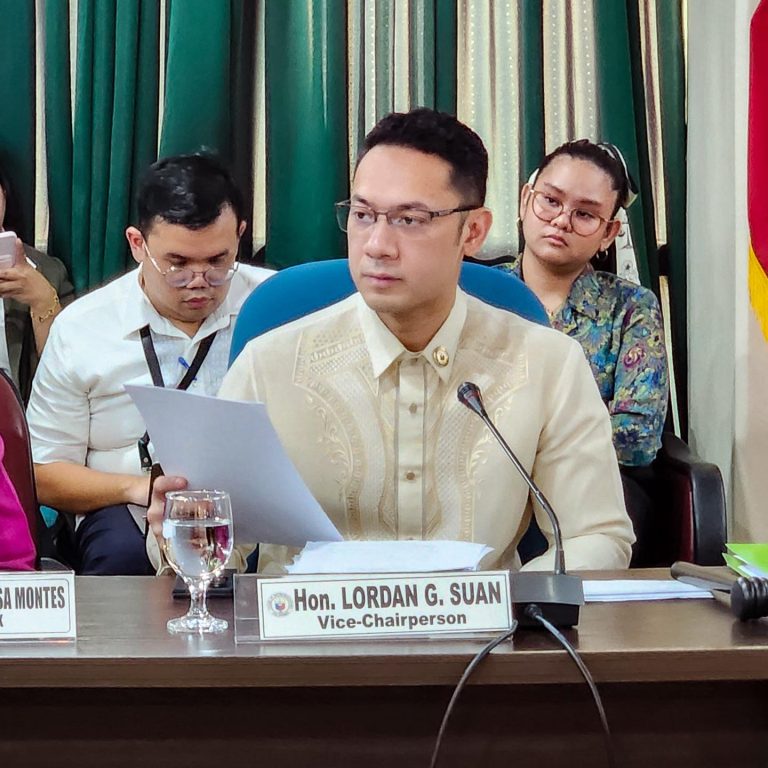
MULING hinimok ni Senador Win Gatchalian ang Department of Education (DepEd) na tugunan ang mga problema sa senior high school voucher program (SHS VP), kabilang ang mga “ghost” student beneficiary at ang kabiguang bigyang-prayoridad ang mga mag-aaral na higit na nangangailangan. Ang panawagan ni Gatchalian ay kasunod ng paglabas ng 2026 annual audit report ng Commission on Audit (COA) sa DepEd. Binatikos sa ulat ang kakulangan ng malinaw at “standardized parameters” sa pag-assess sa kakayahang pinansyal ng mga mag-aaral. Tinukoy ng COA na may mga kaso kasi na hindi maipaliwanag ang pagiging absent ng mga sinasabing benepisyaryo kapag may monitoring visit, pagkakalista ng pangalan ng mag-aaral nang higit sa isang beses sa iisang paaralan o sa iba pang paaralan, at ang pagkakaroon ng status na “enrolled” kahit hindi naman pumapasok sa klase. Noong 2024, pinangunahan ni Gatchalian ang isang imbestigasyon sa Senado na nagbunyag na P7.21 bilyon ang nagastos para sa mga hindi mahihirap na benepisyaryo ng SHS-VP para sa School Year 2020–2021. Dahil dito, hinimok niya ang DepEd na bigyang-priyoridad ang pinakamahihirap na mag-aaral sa pagpili ng mga benepisyaryo ng SHS-VP. “Nakakadismayang malaman na nagpapatuloy pa rin ang ganitong klaseng mga problema sa pagpapatupad ng senior high school voucher program, na dapat sana ay nakakatulong sa mga mag aaral nating nangangailangan. Hindi na natin papayagang magpatuloy ito,” ani Gatchalian, Chairman ng Senate Committee on Finance. 
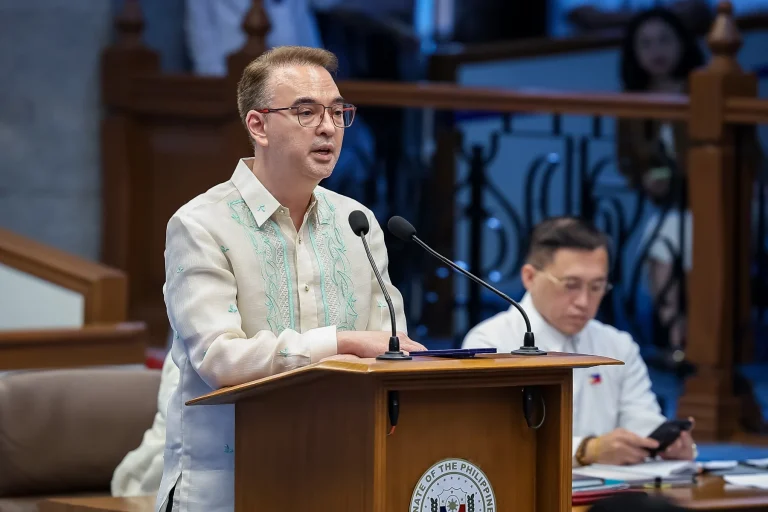
NANAWAGANsi Senate President Pro Tempore Panfilo “Ping” M. Lacson para sa malalimang imbestigasyon sa mga alegasyong nag-uugnay sa ilang opisyal ng Gabinete sa budget insertions para sa infrastructure projects ng Department of Public Works and Highways (DPWH), sabay babala na ang maagang pagbasura sa mga ito ay maaaring magmukhang “cover-up.” Ani Lacson, masyadong maaga para sa Malacañang na bansagan na “hearsay” ang mga ulat tungkol sa insertions, lalo na’t may mga mahahalagang ebidensya nang lumabas sa mga pagdinig ng Senate Blue Ribbon Committee na kanyang pinamumunuan. “Instead of pursuing an honest-to-goodness inter-agency investigation by using whatever probative value was unearthed mainly from the Senate Blue Ribbon Committee hearings, to prematurely dismiss the probable involvement of some members of the Cabinet as ‘hearsay’ may be interpreted as a euphemism for ‘cover-up,’” ani Lacson. Tinutukoy ni Lacson ang pahayag ni Presidential Communications Office Undersecretary Claire Castro na nagbasura sa mga alegasyon laban sa ilang Cabinet secretaries bilang “hearsay” at “no probative value.” Dagdag ni Castro, tutugon lamang ang Palasyo sa mga dokumentong authenticated ng DPWH. Ayon sa mambabatas, kabilang sa mga ebidensyang nakalap ng Blue Ribbon Committee ang “testimonies, supported by official documents in the budget books like lists of items that corroborate the testimonies of resource persons whose involvement in the plunder of public funds have been clearly established through their admission against interest and under oath at that.” Binanggit din niya ang posibleng pagtukoy sa “web of accounts” na magtuturo sa paggalaw ng mga pondo sa tulong ng Anti-Money Laundering Council (AMLC). Giit ni Lacson, hindi kakayanin ng gobyerno na balewalain ang galit ng publiko dahil sa tindi ng korapsyon sa likod ng mga palpak at guniguning infrastructure projects. “In the final analysis, we cannot blame the public, led by the Catholic Church, other religious sectors and civil groups for their unrelenting display of anger and distrust in government,” diin ni Lacson.
SENATORFrancis “Kiko” Pangilinan said increased funding for digital agriculture in the 2026 Department of Agriculture budget would help prevent the kind of corruption and leakage seen in recent infrastructure scandals, including the controversial flood-control projects. The bicameral committee raised digital agriculture funding from ₱500 million to ₱600 million, supporting more precise, efficient, and evidence-based farming and food value chains.  DA’s digital agriculture aims to use data, online platforms, and smart technologies to support systems for farmer and fisher registries, traceability, monitoring, and data-driven planning. It would also have data dashboards that give the DA real-time visibility over production, inputs, infrastructure, and risks. “Walang pagnanakaw ‘pag nakamasid ang taumbayan. Ang maganda sa digital, mahirap itago ang katotohanan kaya mainam na proteksyon ito para sa ating lahat na nagbabayad ng buwis (No stealing happens when the public is watching. Digital makes it difficult to hide the truth, effectively protecting all of us who pay taxes),” Pangilinan said.  “Sisiguruhin nitong tech na mapupunta sa totoong magsasaka at mangingisda ang ayuda, insurance, at iba pang suporta, at hindi sa mga multo (This technology can ensure that subsidies, insurance, and other support go to real farmers and fisherfolk, not ghost beneficiaries),” he added. The senator said that integrating this tool in planning, procurement, extension, market access, and enforcement systems translates increased budgets into measurable results. “Pinakamalakas na depensa laban sa korapsyon ‘pag bukás ang datos at proseso, at may paki ang taumbayan. Di na dapat maulit ang mga pagkakamali ng DPWH (The strongest defense against corruption are open data and processes, and people who care. The mistakes in DPWH must never be repeated),” Pangilinan said.  On the ground, the DA digital push includes platforms such as e-Kadiwa or Kadiwa Online, which links farmers directly with consumers, and the use of drones, satellite imaging, and remote sensing for crop monitoring, yield forecasting, and disaster assessment.  Studies highlight the potential of digital agriculture to boost productivity, resilience, and farmer incomes. However, gaps in connectivity, devices, and digital skills could leave smallholders behind, thus underscoring the need for inclusive extension services, infrastructure investments, and strong public-private partnerships. “Gamitin natin ang makabagong teknolohiya na dapat naabot at nagagagmit din ng mga constituent ng DA. Kung gusto natin ng mas abot-kayang pagkain at mas mataas na kita ng mga magsasaka at mangingisda, kailangan natin ng mga datos at prosesong nasusubaybayan at nasusuri (Let’s use new tech that is also accessible and usable by the constituents of DA. If we want lower food prices and higher farmer incomes, we need data and processes that are traceable and checkable),” he said.
“Baseless and grossly misleading.” This was how Senate Finance Committee Chairperson Senator Win Gatchalian categorically dismissed the allegation of ACT Teachers party-list Representative Antonio Tinio, who claimed that the Senate had lodged ₱17.9 billion in so-called “pork barrel” within Local Government Units (LGUs) for 2026. “The Senate’s adjustments to the national budget were made with full transparency and in line with constitutional mandates,” Gatchalian clarified. He underscored that the increase in the Local Government Support Fund (LGSF) is not pork, but an investment in the lifeblood of communities. By strengthening LGUs, he emphasized, the government can ensure that resources reach the grassroots level where they are most urgently needed, for instance, funding vital services such as health centers, classrooms, and disaster preparedness programs.  Gatchalian further stressed that the reduction in the Miscellaneous Personnel Benefits Fund (MPBF) should not be misconstrued as a cut to government employees’ rightful benefits. The Department of Budget and Management (DBM) itself has clarified that the MPBF is a reserve fund intended to cover contingencies, and not a direct salary or benefit allocation. 
INAPRUBAHAN na ng Bicameral Conference Committee ang  P67 bilyon pondo para sa implementasyon  ng Republic Act No. 10931  para sa edukasyon, Libreng Kolehiyo at Tertiary Education Subsidy (TES), kabilang ang pinansiyal na tulong para sa Related Learning Experience (RLE) ng mga estudyante sa ilalim ng 2026 national budget. Isinulong ni Senador Bam Aquino ang  mas mataas na pondo para sa TES, na nakapaloob sa P1.38 trilyon pondo para sa edukasyon – ang pinakamalaki sa kasaysayan ng bansa. Kasama sa budget na P68 billion para sa paggawa ng classroom at P25.6 bilyon para sa School-Based Feeding Program. “Ito’y katuparan ng ating mga pinangako noong nakaraang halalan na isusulong ang sapat na pondo para sa edukasyon. Umaasa tayong malaki ang maitutulong nito para tugunan ang mga sari-saring problema sa edukasyon – mula sa pagbawas ng napakalaking classroom backlog at pagtiyak ng mas maayos na nutrisyon para sa mas maraming estudyanteng Pilipino,” wika ni Aquino sa isang pahayag. “Nagpapasalamat tayo kina Senate President Tito Sotto, House Speaker Bojie Dy, Senate Finance Committee Chair Sen. Sherwin Gatchalian, House Committee on Appropriations Chair Rep. Mika Suansing, sa ating mga kapwa mambabatas, at sa taumbayan na aktibong tumutok at nagbantay sa proseso upang masiguro na hindi nabawasan ang pondo ng edukasyon sa national budget,” dagdag pa ni Aquino, chairperson ng Senate Committee on Basic Education. Kasamang naaprubahan ang rekomendasyon ni Aquino na dagdagan ng ₱500 milyon ang Maintenance and Other Operating Expenses (MOOE) ng Higher Education Development Program, na gagamitin para sa “Financial Support for RLE Requirements in Allied Health Sciences Programs.” Kabilang sa mga allied health sciences programs ang Nursing, Medical Technology/Medical Laboratory Science, Pharmacy, Physical Therapy, Occupational Therapy, Respiratory Therapy, Radiologic Technology, Midwifery, Nutrition and Dietetics, Speech-Language Pathology, Human Biology/Pre-Med Allied Programs, Dentistry, Biochemistry, at Psychology. “Napakalaking tulong ng pondong ito sa ating mga estudyante ng nursing at allied health sciences programs na nahihirapan sa mabigat na bayarin sa RLE,” wika ni Aquino.  “Sa pamamagitan nito, mababawasan ang kanilang pasanin sa pag-aaral at makatutulong ito para maabot ang kanilang pangarap na magandang buhay, hindi lang para sa kanilang sarili, kundi para sa kanilang pamilya at mahal sa buhay,” dagdag pa niya. Nalaman ni Aquino ang isyu noong panahon ng kampanya para sa 2025 senatorial elections nang iparating sa kanya ng maraming nursing students ang mataas na gastos na kanilang pinapasan para sa RLE, na katumbas ng on-the-job training (OJT) at isang requirement para sa pagtatapos ng kursong nursing....
HANGGA’T hindi naitama ang mga probisyong nagbibigay ng malaking dagdag-pondo sa Medical Assistance to Indigent and Financially Incapacitated Patients (MAIFIP) at naglalaan ng bilyun-bilyong piso para sa mga posibleng kaduda-duda na farm-to-market roads, hindi pipirma si Senate President Pro Tempore Panfilo “Ping” M. Lacson para iratipika ang bicameral conference committee report para sa 2026 budget.  Idiniin ito ni Lacson nitong Linggo matapos magpasya ang bicam na itaas ang badyet ng MAIFIP para sa 2026 sa P51 bilyon at maglaan ng P33 bilyon para sa farm-to-market roads.  “Sorry, unless rectified in its final version, I cannot sign to ratify a bicam report with P51 billion for MAIFIP, with nothing but guarantee letters from politicians and is not compliant with the Universal Health Care Act. Further, I will not associate myself with the P33-billion spending for unplanned and unvetted farm-to-market roads,” ani Lacson, na mahigpit na tagabantay ng kaban ng bayan.  “Unless we adequately fund the UHC programs such that they cover all barangays and ensure zero billing, etc., we cannot fully implement the UHC law that we passed.  All health-related funds must be subsumed under the Universal Health Care program of the Department of Health. Guarantee letters from politicians will only guarantee patronage politics but not the health care needs of Filipinos, especially the indigents,” dagdag ng mambabatas.  Sa unang araw ng deliberasyon ng bicameral conference committee sa panukalang badyet para sa 2026 nitong Sabado, itinaas ng mga mambabatas ang badyet ng MAIFIP sa P51 bilyon. Mas mataas ito kaysa sa P42 bilyon noong 2025, at mas malaki kaysa sa orihinal na panukala ng Kamara na P49 bilyon, na ibinaba naman ng Senado sa P29 bilyon.  Nagpasya rin ang bicameral conference committee na pondohan ang farm-to-market roads ng P33 bilyon. Mas mataas ito kaysa sa P32 bilyon sa bersyon ng Kamara ng budget bill, at doble ng P16 bilyon na nakapaloob sa National Expenditure Program (NEP).  Ani Lacson, ang MAIFIP ay matagal nang lantad sa political patronage dahil pinahihintulutan nito ang mga opisyal ng gobyerno na mag-isyu ng guarantee letters para sa mga mahihirap na pasyente.  Isa sa priority bill ni Lacson ang Senate Bill No. 404 na layong alisin ang impluwensiya ng pulitika sa MAIFIP sa pamamagitan ng pagsasailalim nito sa balangkas ng Universal Health Care Act at pagpapataw ng parusa laban sa pampulitikang pagsasamantala at manipulasyon ng programa.  Sa deliberasyon naman ng Senado sa panukalang badyet, kinuwestiyon ni Lacson kung ang listahan ng mga farm-to-market roads na posibleng pondohan mula sa realignment ng P255.5 bilyon na pondo para sa flood control projects ay nagmula ba sa Department of Agriculture o sa mga kongresista.