admin

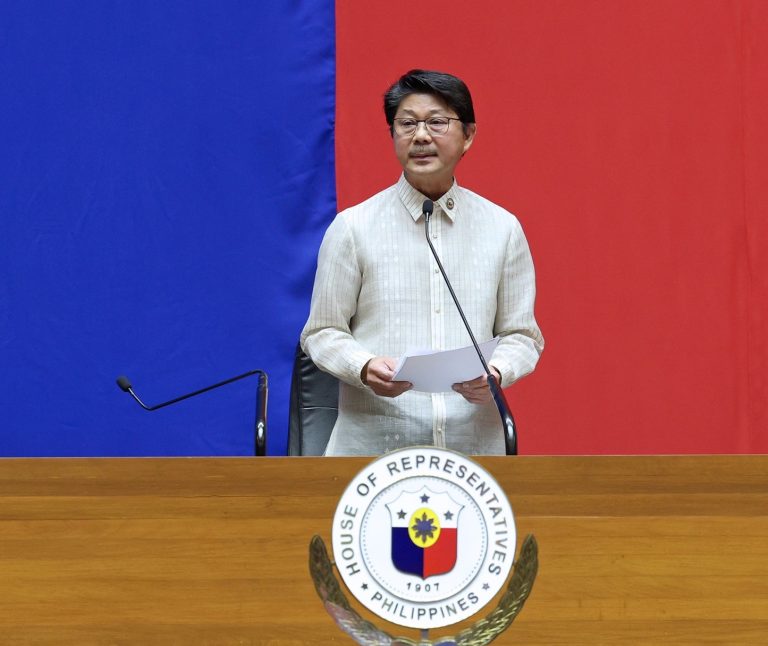
HOUSE Speaker Faustino “Bojie” G. Dy III has proposed sweeping safeguards against political dynasties, conflicts of interest,...

THE Bureau of Internal Revenue (BIR) has opened a one-time tax abatement program for micro taxpayers, offering...


Leyte Rep. Ferdinand Martin G. Romualdez has directed the immediate mobilization of assistance for the victims and...
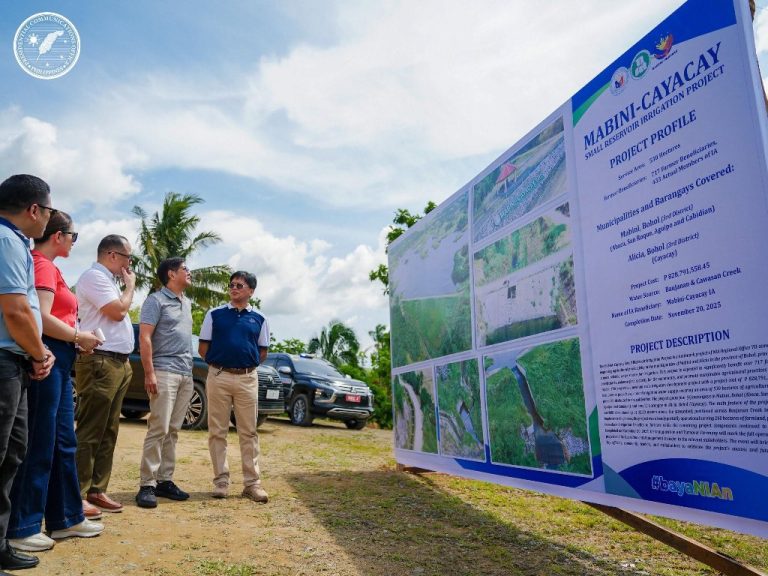
PRESIDENT Ferdinand R. Marcos Jr. on Monday said ongoing and completed irrigation projects in Bohol are expected...

FIRST Lady Liza Araneta-Marcos and Quezon City Mayor Joy Belmonte on Monday led the distribution of rice...
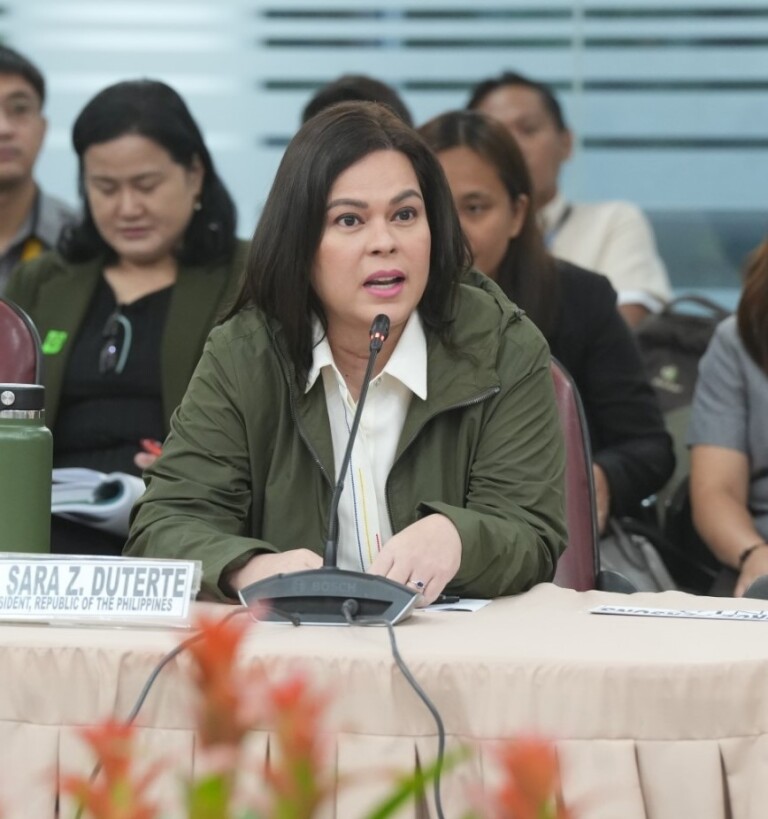
HOUSE prosecutors said Monday they are working to complete the impeachment pre-trial conference as soon as possible...


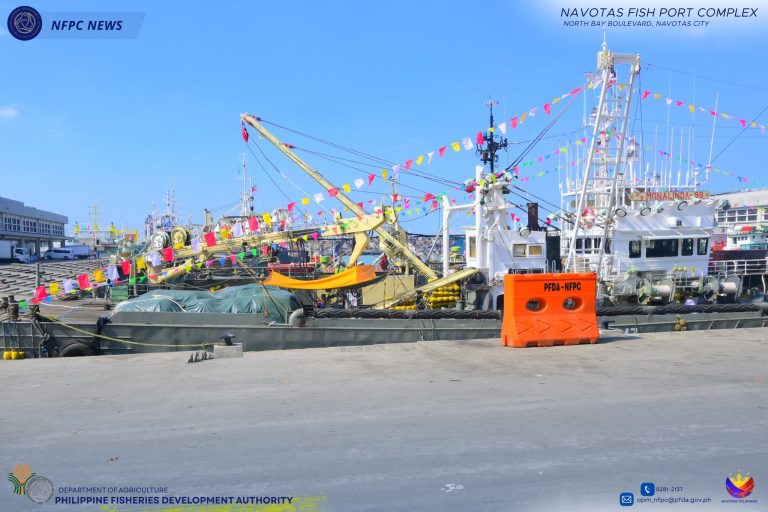
THE Philippine Fisheries Development Authority (PFDA) has approved P1.6 billion worth of infrastructure projects aimed at modernizing...

HOUSE Minority Leader and 4Ps Party-list Rep. Marcelino “Nonoy” Libanan has urged local government units (LGUs) and...
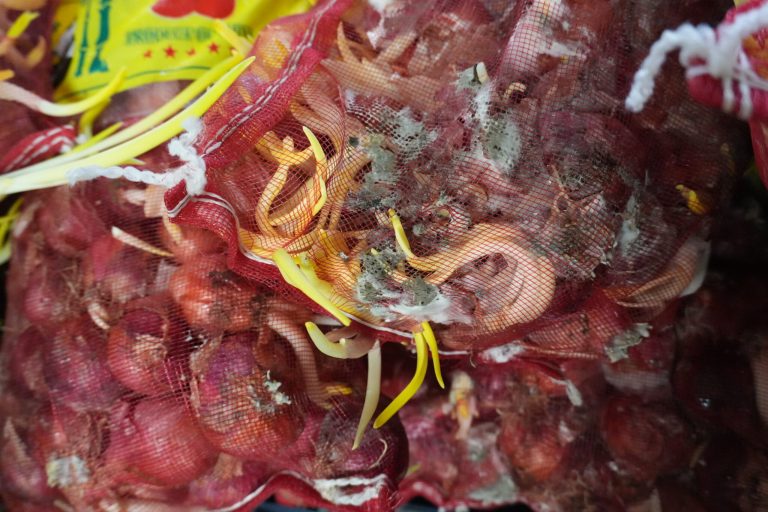


THE National Press Club of the Philippines (NPC) has extended “cash assistance” to members in the SOCCSKSARGEN...

THE EcoWaste Coalition has warned the public this Father’s Day to avoid purchasing and giving away perfumes...

SAN Miguel Corporation (SMC) launched its Butuanon River cleanup in Mandaue City, Cebu, expanding the company’s long-running...
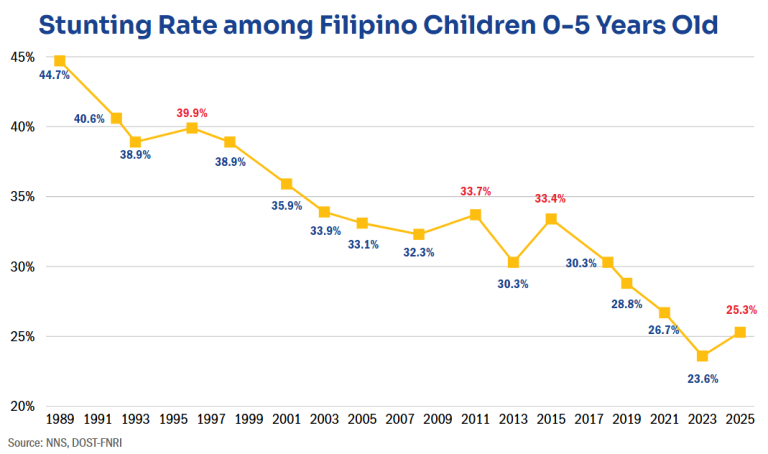
THE Second Congressional Commission on Education (EDCOM 2) expresses grave concern over the alarming findings of the...


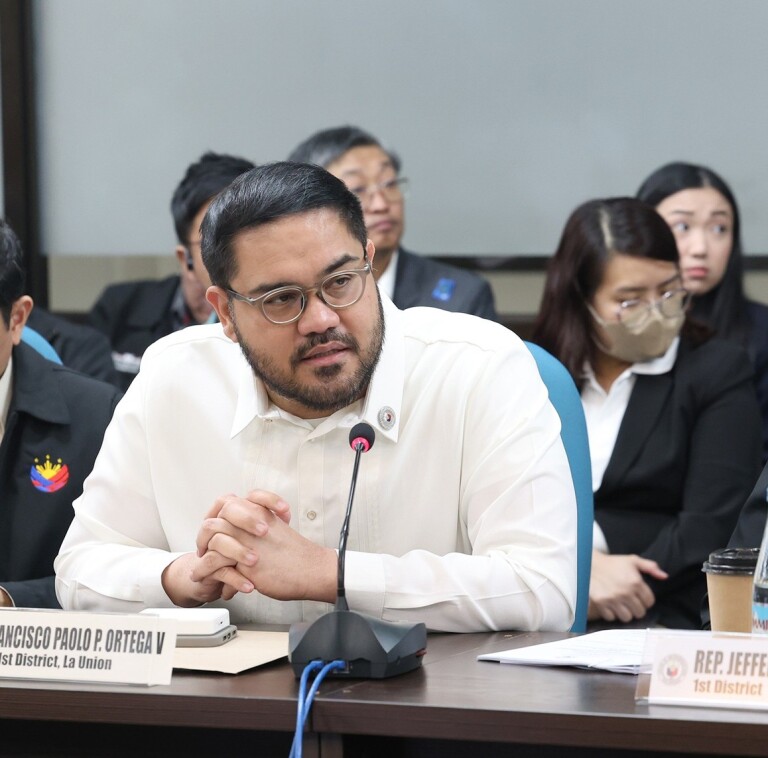
DEPUTY Speaker and La Union Rep. Francisco Paolo Ortega V on Saturday defended the House-approved Anti-Political Dynasty...


SAN Miguel Corporation (SMC) launched its Butuanon River cleanup in Mandaue City, Cebu, expanding the company’s long-running...
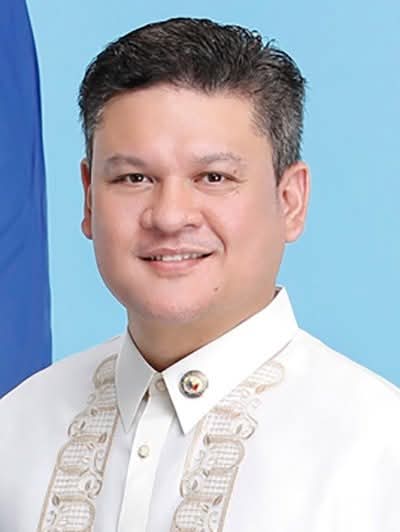
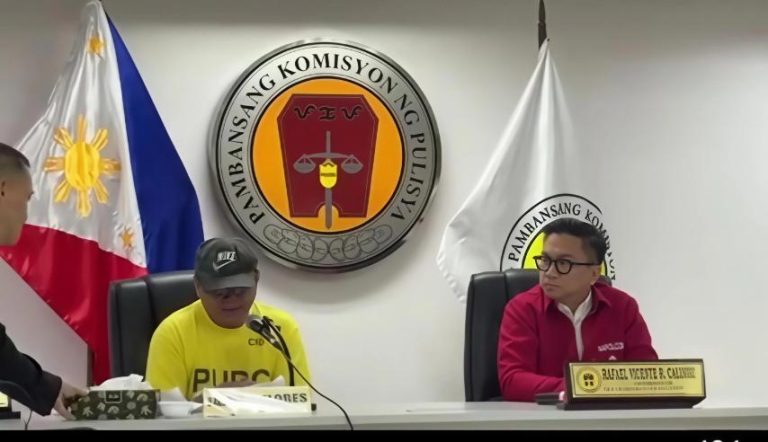
BINUWELTAHAN ni Manong Pulong Duterte si Secretary Jonvic Remulla matapos nitong tawagin siyang “high” at “sabog,” Sinabi...

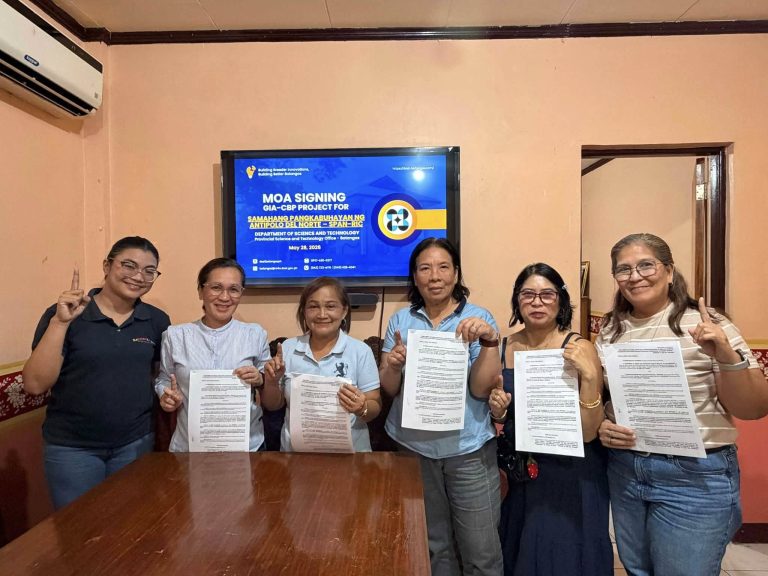
A women-led livelihood group in Lipa City is set to double its candle production capacity after the...
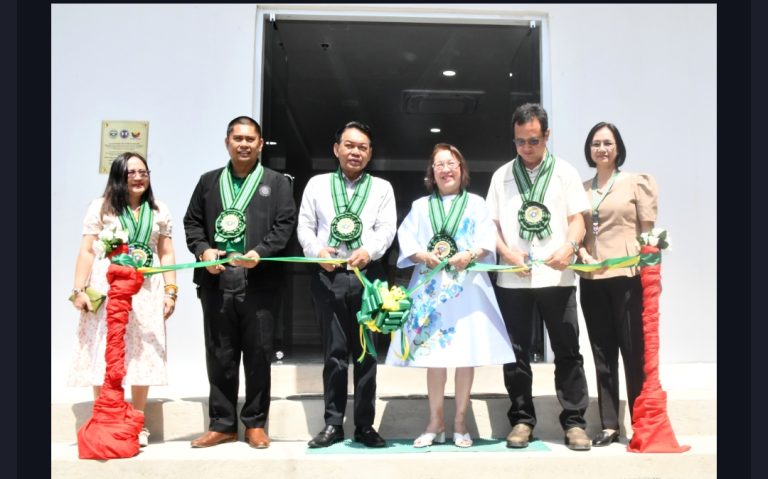
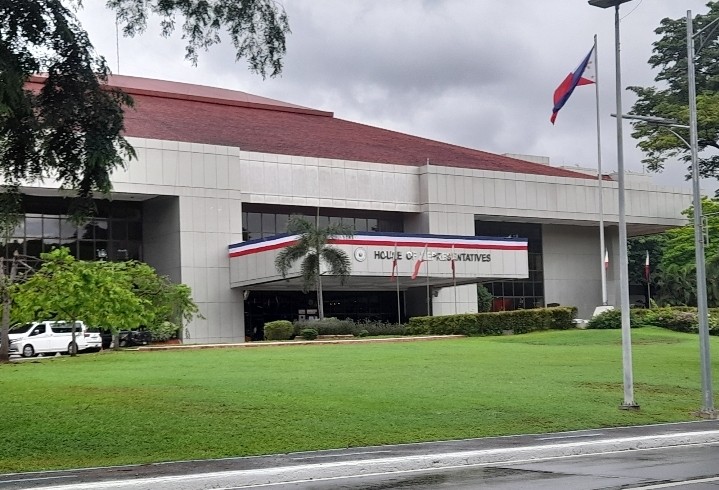
THE House of Representatives on Wednesday formally authorized its public and private prosecutors to act on its...
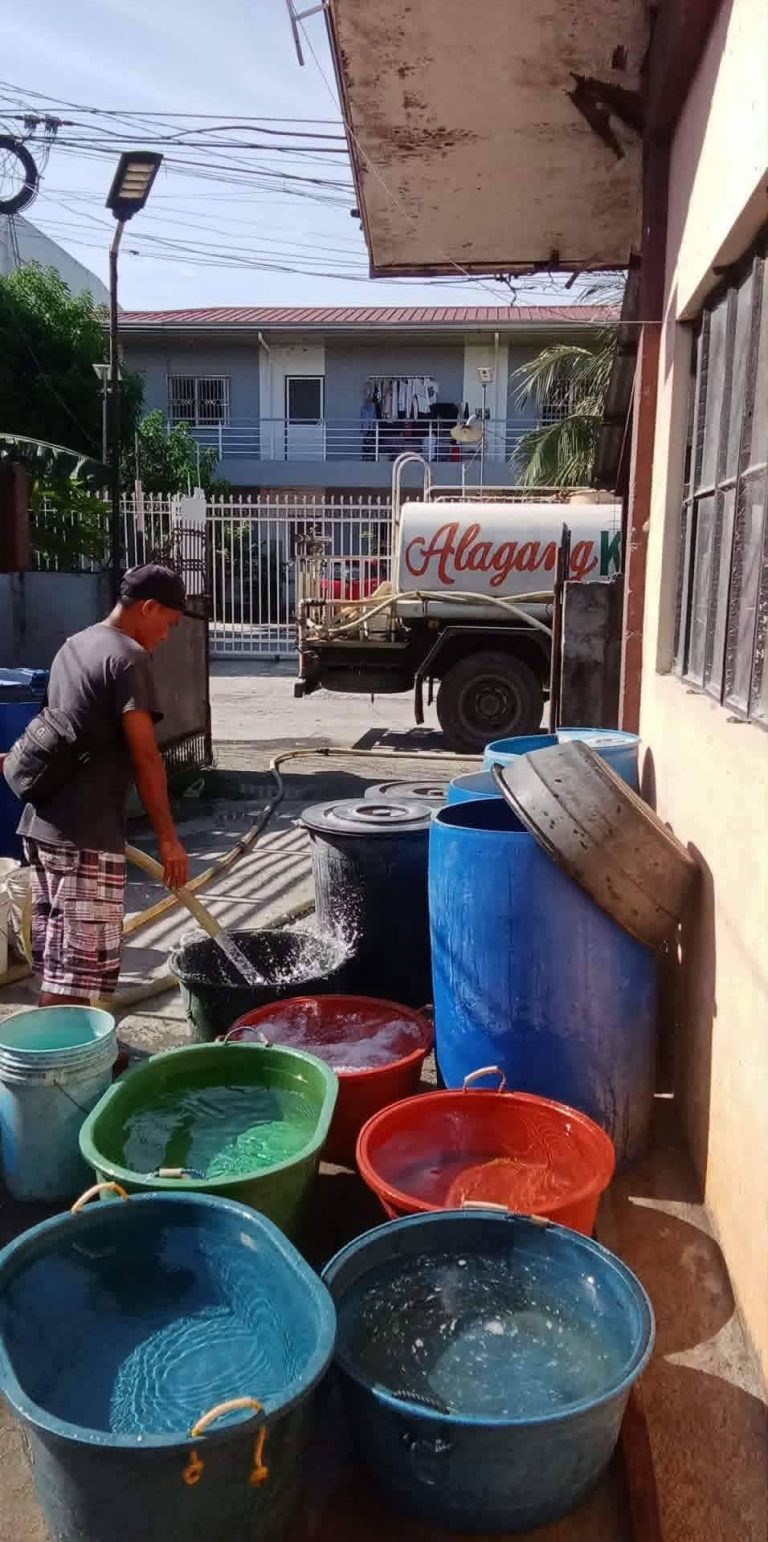
THE local government of Subic has long been implementing preparedness measures to mitigate the anticipated impacts of...

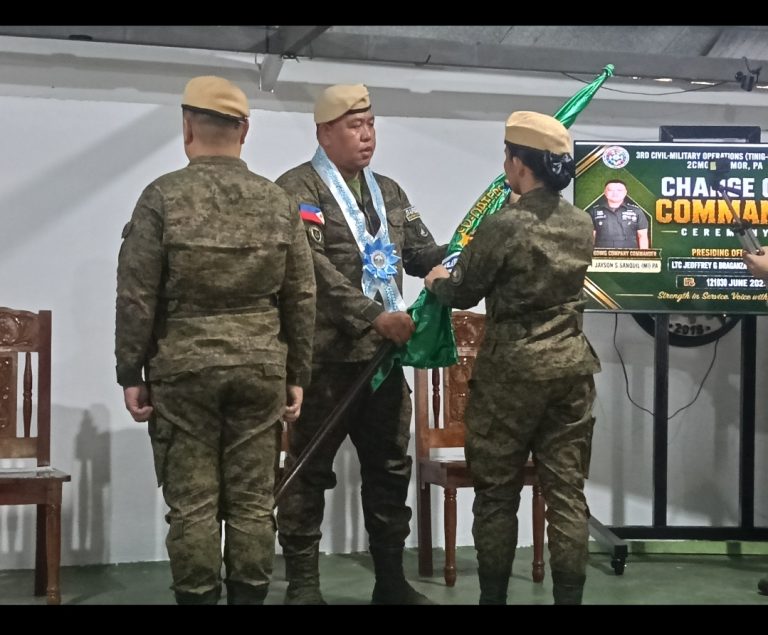
A NEW era of service, leadership, and community engagement begins for the 3rd Civil-Military Operations (CMO) Company,...
SPEAKER Faustino “Bojie” G. Dy III on Monday said Filipino families stand to benefit directly from the...

ENCHANTED Kingdom (EK), the first and only world-class theme park in the Philippines, reaffirmed its longstanding partnership...

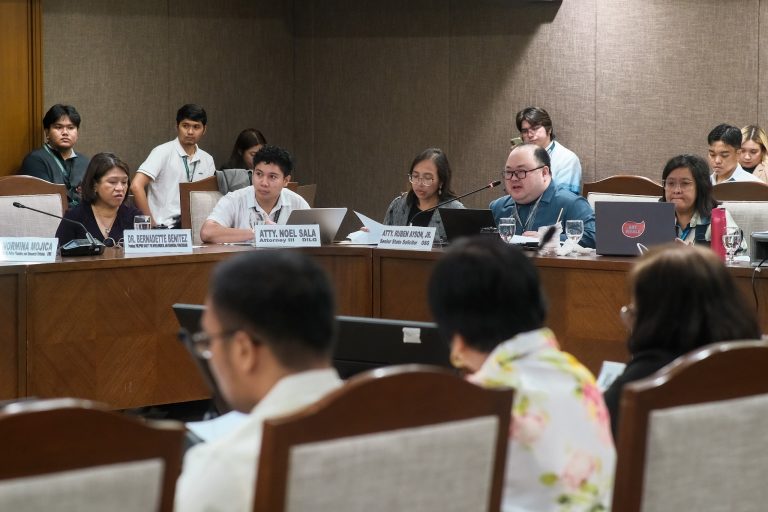
THE House of Representatives has begun deliberations on a proposed Teacher Protection Bill aimed at strengthening safeguards...
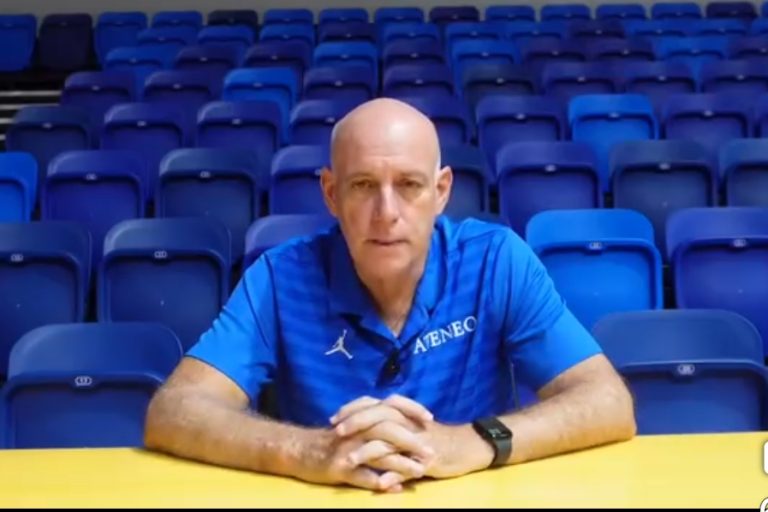

DEPARTMENT of the Interior and Local Government (DILG) Secretary Jonvic Remulla on Monday announced that the Philippine...